Seen at the Sea Glass Show

Wood, Waves, Sea Foam

A “painting” in textile, wood, and synthetic fibers

The wood base may be driftwood, a branch, a bamboo root.

The blue layer is a mix of textures, intensifying from coarse to fine, dark to light. The white layer transitions from foam to cloud, a tumble of wool, silk, other fibers.

Most of the dozen or so works I saw at the Expressions by Munir booth had this 3-tier structure, defining a particular point of focus — the crashing, soaking, roiling intersection of earth, sea, and sky. The closer you look, the more complicated it becomes. See close-ups below.

See Munir’s work on Instagram: @expressionsbymunirunir

Or in person at the Santa Barbara Sea Glass & Ocean Arts Festival, September 13-14.

Your Mispronunciation Guide

No one can tell you how to pronounce a word.
This resource tells you how not to pronounce it.

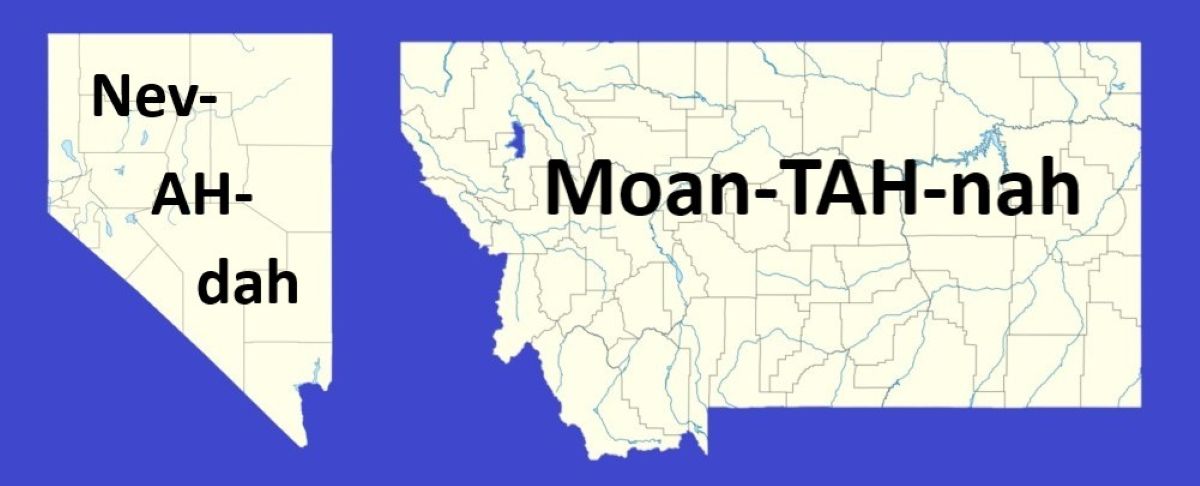
Nevada — not Nev-AH-dah

Not unless you’re ready for

  • Moan-TAH-nah
  • AH-lah-BAH-mah
  • IN-dee-AH-nah

Rule of thumb: When considering a “language of origin” pronunciation, recall how you pronounce the capitals of France, Germany, and Italy in normal conversation. Do you say Pah-REE? Bare-LEEN? R-r-r-ROAM-mah?

So don’t be an ass (ahss) about Nevada.

And for heaven’s sake don’t say Nev-AH-dah in the same sentence with AIR-uh-ZONE-uh. Duh.

Tourist — not TORE-ist

It does not rhyme with “florist.” Consult the pronunciation of “tour” — which you know perfectly well from “three-hour tour” in the Gilligan’s Island song.

Meteorologist — not someone who studies meters

Meteor, with three syllables, is from ancient Greek — “in or from the sky.” The meaning is in the third syllable. Say what you mean.

Mail — not MELL

No one mispronounces “snail mail.” And yet:

  • shoot me an emell
  • with juicy detells
  • about the yard sell

Vowel Shift Alert: Long a is slumping into short e.

Short i may be headed the same way.

  • glass of melk
  • Jack and Jell up the hell
  • her and hem

Auntie — not . . . er, not exactly sure

Aunt and jaunt ought to rhyme. For many Americans they do rhyme. Yet “ant” has been the majority US pronunciation since the 1920s at least.

Very likely the “ants” came marching in during westward settlement in the early 1800s. Aunt with a short a predominates west of the Appalachians.

You don’t want to sound pretentious. On the other hand, you don’t want people thinking you’re anti-Mame.


Best advice: When in Rome . . .

Entrepreneur— not ontra-pren-NEWER

Rhymes with “burr,” not with horse droppings. Show the business builder a little respect.

Electoral — not elect-ORAL

It’s about an e-LEC-tion, with e-LECT-ors.

Back to top

Short Course in Philosophy

Truth Beauty Friendship Citizenship Health

Truth is the structure of things under the tablecloth of perception.

• We may not see truth itself, but we can come to an understanding of it — by patient observation. The five blind men have it in them to describe an elephant accurately (though not completely).

Back to top

Beauty is delight in the way a daisy is organized, or disorganized.

• Beauty is important — despite being 100% subjective — because it is a universal experience.
• Beauty affirms: life is not only worth living (about me), it is worth witnessing (a whole world out there).

Back to top

Friendship is a “you” as meaningful as the “me.”

• At age 7 or so, children begin to understand their parents are not 100% reliable. Friends help us gain confidence in our own experience and judgment. They also show us that the lives and feelings of others are real.
• Knowing that pain and happiness in others are real gives us an ethical basis for choices we will make as parents, citizens, and office-holders and as human beings.

Back to top

Citizenship is duty you owe your community, for making your way of life possible.

• Every first-grader understands “no fair.” Justice is the first abstract principle we human beings grasp — and our first step toward philosophy.
• Socrates drank hemlock, accepting the verdict of a lawful jury. His reasoning was: he received  the benefits of being an Athenian citizen — security, freedoms,  access to knowledge, a downtown market overflowing with goods from around the world, a life of possibilities only a  civilized country could offer. It was fair to expect in return that he would submit to Athenian laws.
• When we see injustice in our laws, we have a duty to speak up and take action — and face the legal consequences openly, as Martin Luther King did. Laws get their authority from public confidence that justice will be served.

Back to top

Health is care and nourishment to support a good life.

• Philosophers ask, what is “good”?
Good is a life based on truth, beauty, friendship, citizenship, and health — in that order.

Photos:
Dust Cover via The Butler’s Closet at https://www.thebutlerscloset.com/products/furniture-sun-and-dust-covers-for-medium-and-large-chairs?srsltid=AfmBOormuPfFymqo0fZclF2KxcjuDGDG8LdjsB426c72C0Ty4dTU6Tbi

Lightning over Pentagon City in Arlington, Virginia, 23 July 2005, via Wikimedia at https://commons.wikimedia.org/wiki/File:Lightning_in_Arlington.jpg

Our Gang December 1930 via Wikimedia at https://commons.wikimedia.org/wiki/File:Our_Gang_December_1930.jpg

Martin Luther King Jr. arrested in Montgomery, Alabama, 1958, via Wikimedia at https://commons.wikimedia.org/wiki/File:Martin_Luther_King,_Jr._Montgomery_arrest_1958.jpg

Magdalena Roeseler, “Jog the Dog,” via Wikimedia at https://commons.wikimedia.org/wiki/File:Jog_The_Dog_%2864765319%29.jpeg

Back to top

Our Jobless AI Future

Aerial view of Los Angeles (River) by flickr user 4067 via Wikimedia.

How will Consumers live in a jobless economy?

Short answer: Sellers cannot continue to exist without buyers. Corporations will invest in the acquisition of buyers, recognizing that:

* * * Consumers provide valuable services before they buy. * * *

Most of these services are unpaid today. That will change.

Your Piece of the Marketing Pie

Online today, you click Accept Cookies. Tomorrow you will click Get Paid for marketing data.

In the AI future, when a marketing representative sets up in the grocery store to offer you samples of lemon-flavored water or mini-wieners wrapped in bacon, YOU will aim your phone to activate BILLABLE ATTENTION TO MARKETING MINUTES (BAMM!).

Your BAMM! will notice and record every billboard, every commercial on the radio, and every square inch of commercial signage as you drive by. Every noodle-balloon dancing outside the car wash, the falafel stand, the tax-preparation service — all will be billable.

Noticing, choosing, giving feedback about your customer experience… It’s all data, worth money. In the AI economy, you will become a supplier, a vendor, a valued business partner to businesses selling things to you.

Today a Consumer, tomorrow a consultant.

Not All Jobs Will Disappear

No doubt there will be a universal basic income with Medicare for all and various educational and other benefits, like free smartphones, free gaming, and payouts from class-action lawsuits against Meta, X, and their ilk.

The AI economy will provide just about everyone with almost enough income to live frugally in one of the outer suburbs. (Anything more would be Socialism.)

Skilled Specialists will continue to work and get paid in fields such as:

• Violin repair
• Legacy plumbing analysis and work-arounds
• Seeing the elephant in the room
• Making up jokes that are really funny
• Mothering infants and young children

Most of us will continue as Consumers, pursuing happiness in the same way as others who don’t have to show up for work every day — like the Real Housewives of New Jersey.

In the big picture, our real job in life is to forward DNA to the future. The future looks bleak right now, as it always does to the older generation. Fortunately or not, we  don’t have much say in what uses our DNA will be put to. Do you think Queen Victoria would have borne four princes and five princesses if she could have foreseen the Roaring Twenties? Or a knighthood for Mick Jagger?

From the incalculably many lives in the future, there will come a few — a Gutenberg, a Luther, a Thomas Jefferson, a Susan B. Anthony, a Martin Luther King Jr. — to continue the unveiling of the potential in our humanity.

Back to Home

Fontsy Meeting You Here: Notes on Typography

• Some letters are wide (w, m).
• Some are narrow (l, i).
• Some have buggy whips (f, r).

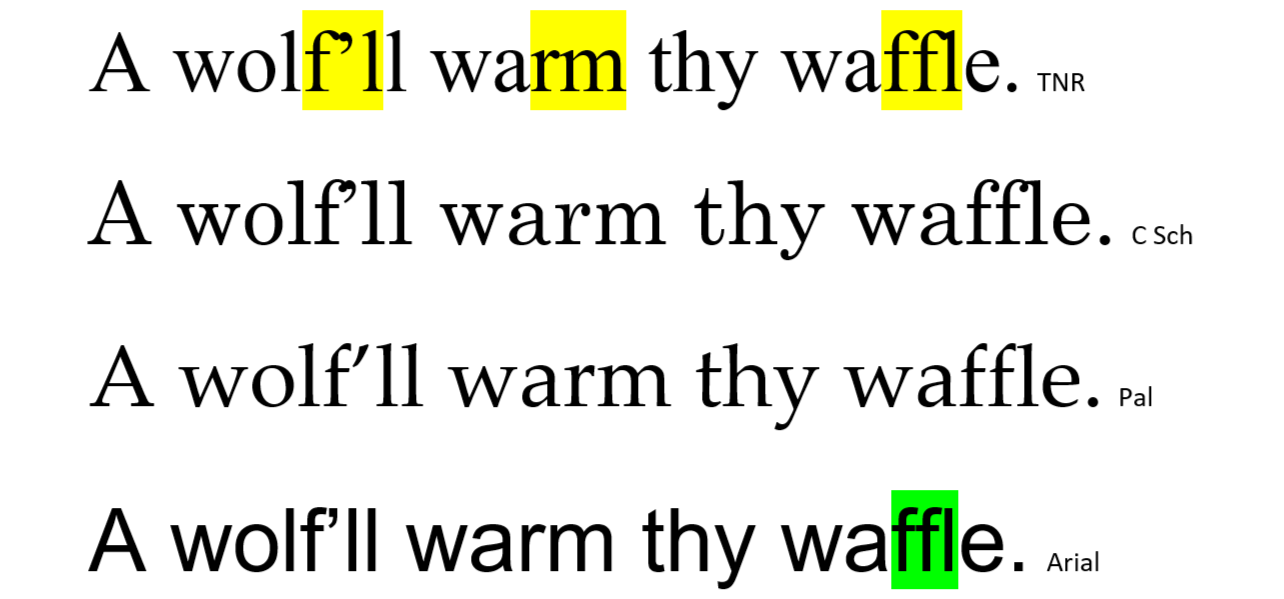
Letterspacing within words can get touchy, as when f lashes out at l. An r crowding an n may look like an m. An apostrophe after f looks like a sneeze in search of a kleenex.

See examples below. Times New Roman is a tightly bunched font. Century Schoolbook is wider and spacier but still has encroachment issues. In “wolf’ll,” the apostrophe is shamelessly snogging the f.

Palatino is clean and modest by comparison.

Arial and other clean-cut fonts are less prone to touchy overcrowding, partly because their letter strokes do without terminal blobs and beaks (serifs). Taking a close look at “waffle,” you see how pleased with itself Arial must be, not only keeping the f-crooks clear of each other but also joining the horizontals to form a double letter (ligature). That’s tight spacing.

Apostrophes in Close-up

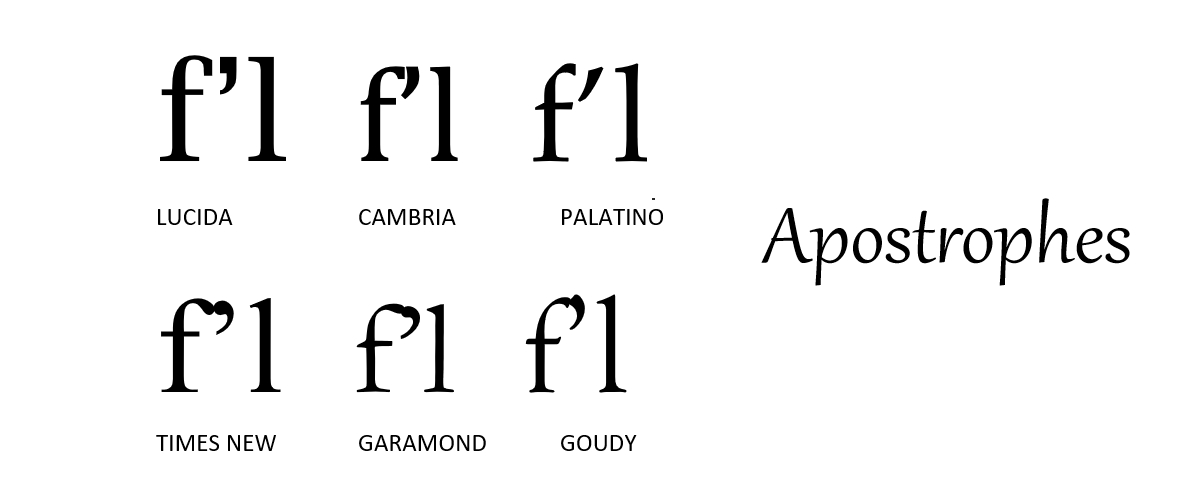
Below are f-apostrophe examples in serif fonts (blobs, beaks, and pedestals).

Lucida has its square-head apostrophe centered perfectly, as you would expect in a font from the bit-mapped 1980s. Palatino solves spacing by redesigning the apostrophe, from a yin shape to a semi-bananoid.

Under the f-Blob

The f-blobs in Lucida and Cambria are like kitchen faucets aiming downward. The Cambria r is going to get wet. Square dots over the i’s date these as pixel-era fonts.

Palatino and Goudy scream hand-lettered.

Palatino’s f rises thick, angles thin, then thickens again to a squared-off, forward-looking stop: thinning or thickening at turns is characteristic of a pen with an angled nib (chisel-tip).

In the Goudy f, the thinning is more fluid, suggesting a brush stroke.  You can always identify Goudy by the letter i, dotted with a diamond.

The f in Times New Roman droops nearly on top of the r . That is TIGHT letter-spacing, valued highly in narrow-columned newspapers but less so in books.

Baskerville is a grandfather of TNR. Both have heavy blobs, which may improve readability by making thin strokes more visible. Thin strokes are much thinner in Baskerville.

Topknots and g-Bags

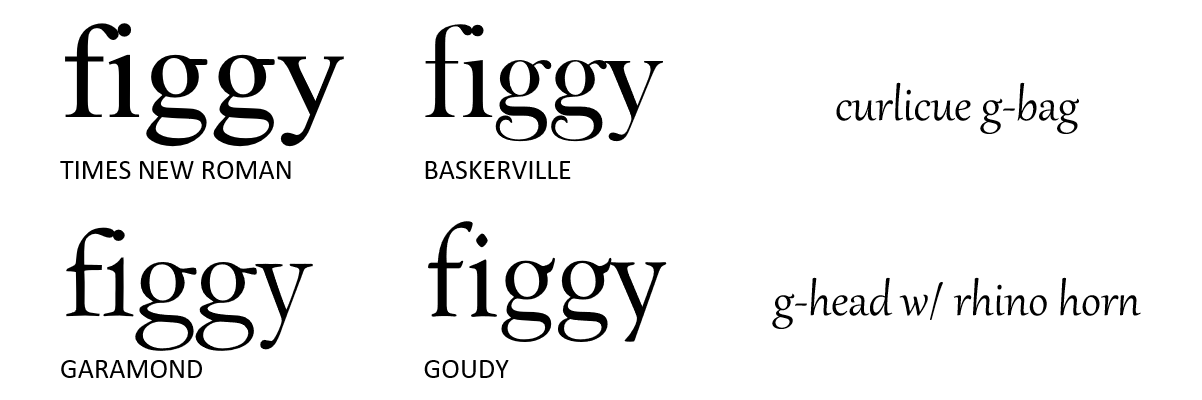
The letters g and y are “below the baseline” cousins to f and r, encroaching on neighbors’ space. Why does y slant backward? Why does this kind of g have a lasso below? Short answer: these are the forms inherited from medieval manuscript tradition. The first fonts were designed for readers who were accustomed to monkish handwriting.

The Baskerville g features a curlicued oval, which is not quite closed. The serif on its g-head is like the topknot on a quail, bowing courteously.

Both Garamond and TNR  set their serifs low enough on the g-head, like the bill of a ballcap, to avoid the y-serif. Goudy’s rhino-like g-serif damn-near stabs the y.

The Un-round O

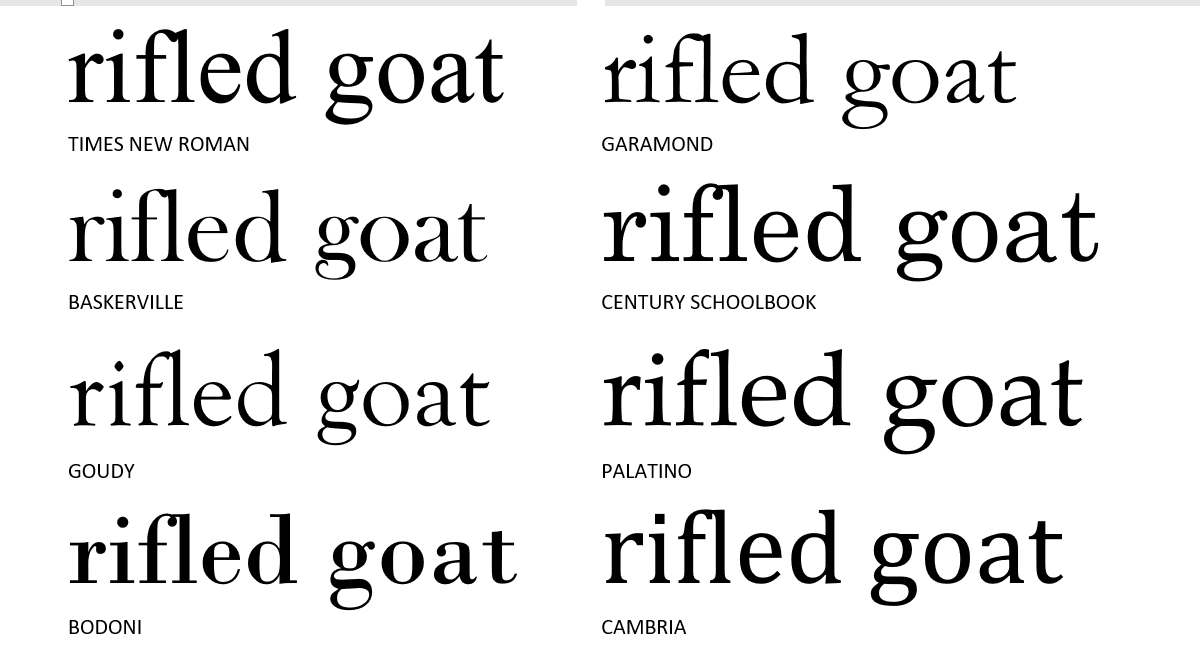
The letter o is seldom a circle. It may be a perfect circle in typewriter-born Courier, but it’s an obvious oval in Arial — a font so standardized every stroke of every letter is of uniform thickness. It is surprising then to find one of the TNR-like fonts (Gar, C Sch, Bodoni) has a circular o. Hint: the one with the droopiest a-bag.

Notice the white pill shape inside the o in C Sch and Bodoni. The pills are upright. Notice how the pill in TNR is tilted slightly leftward. Is it because monks were mostly right-handed? Notice also in TNR that d and b, which ought to be mirror images, are not. Though TNR’s middle name is New, there’s much of the Middle Ages still in it.

Read On

You’d never finish a book if you noticed irregularities in every letter of every word. So we surf lines of type without regard to the droplets flying in every wave. No doubt the future of fonts — and language generally — will bring further simplification and modularity. Yet the smoothest surface, under magnification, always turns out to be a jungle gym of atoms, with long molecules swirling in a vortex of association and connection, toward the eye of madness — or further study and enjoyment. To that end, here is an array of examples for contemplation at your leisure.

Home / Table of Contents

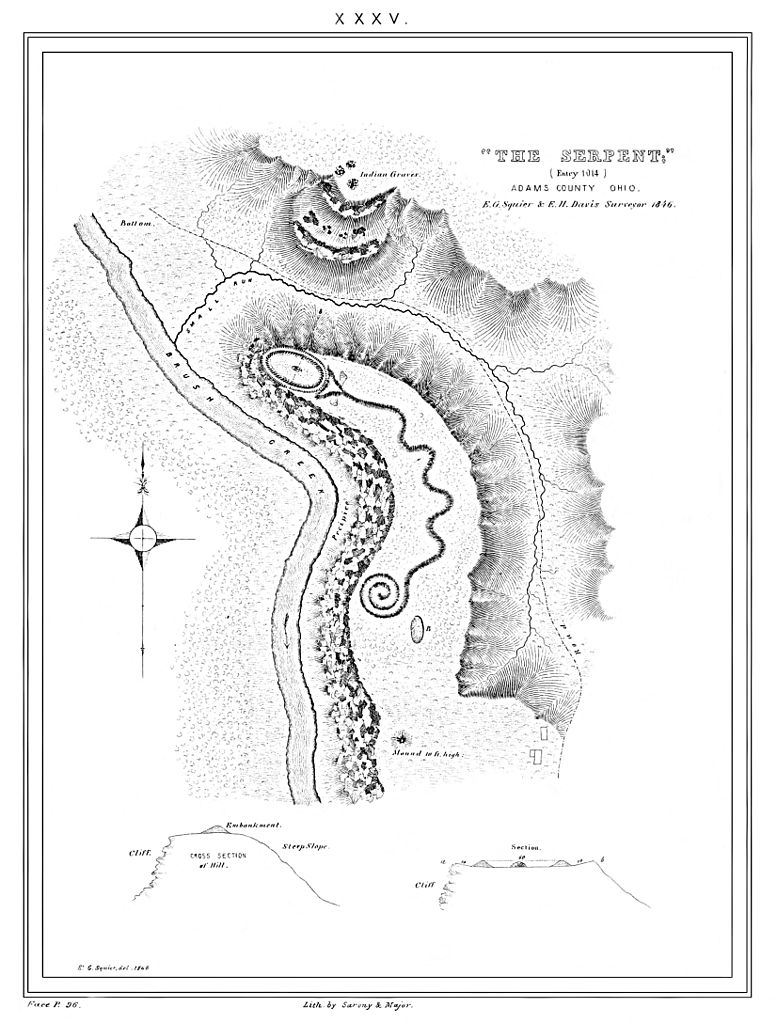
Constellation theory of the Great Serpent Mound

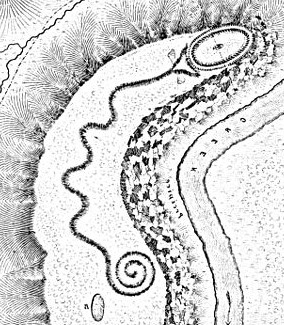
From Squier and Davis, Ancient Monuments of the Mississippi Valley (1848)

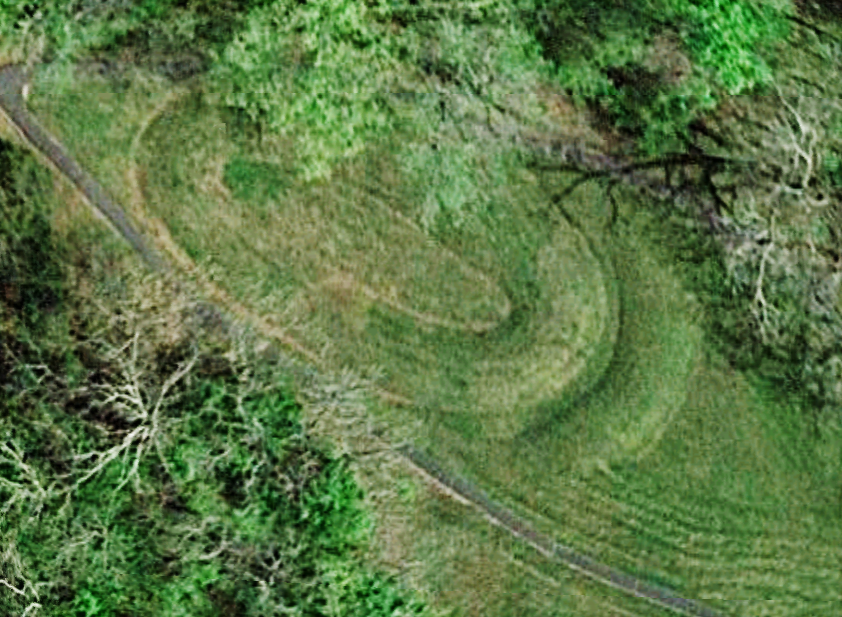
At top, the yoke is between the two paths. Photo: Jarrod Burks, via drone camera

The yoke is at bottom right. A berm forms the oval head, in the middle of which is a capsule-shaped mound a few feet high.

Assuming the Great Serpent is a reflection of a figure in the sky, we look for a serpent-like arrangement of stars with its head pointing westward — i.e., a reversed image of the Squier and Davis drawing.

Winter constellations visible from Ohio.

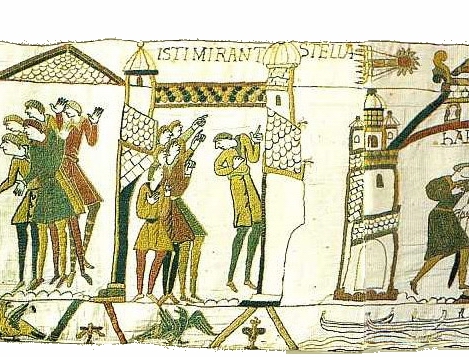
The head is centered on the 3.5 magnitude star Wasat, a spectacular sight in 1066 when occulted by Halley’s comet. A necklace of faint stars forms the yoke. The coil of the tail, including a few stars from Canis Major, ends on the brightest star in Puppis (Naos).

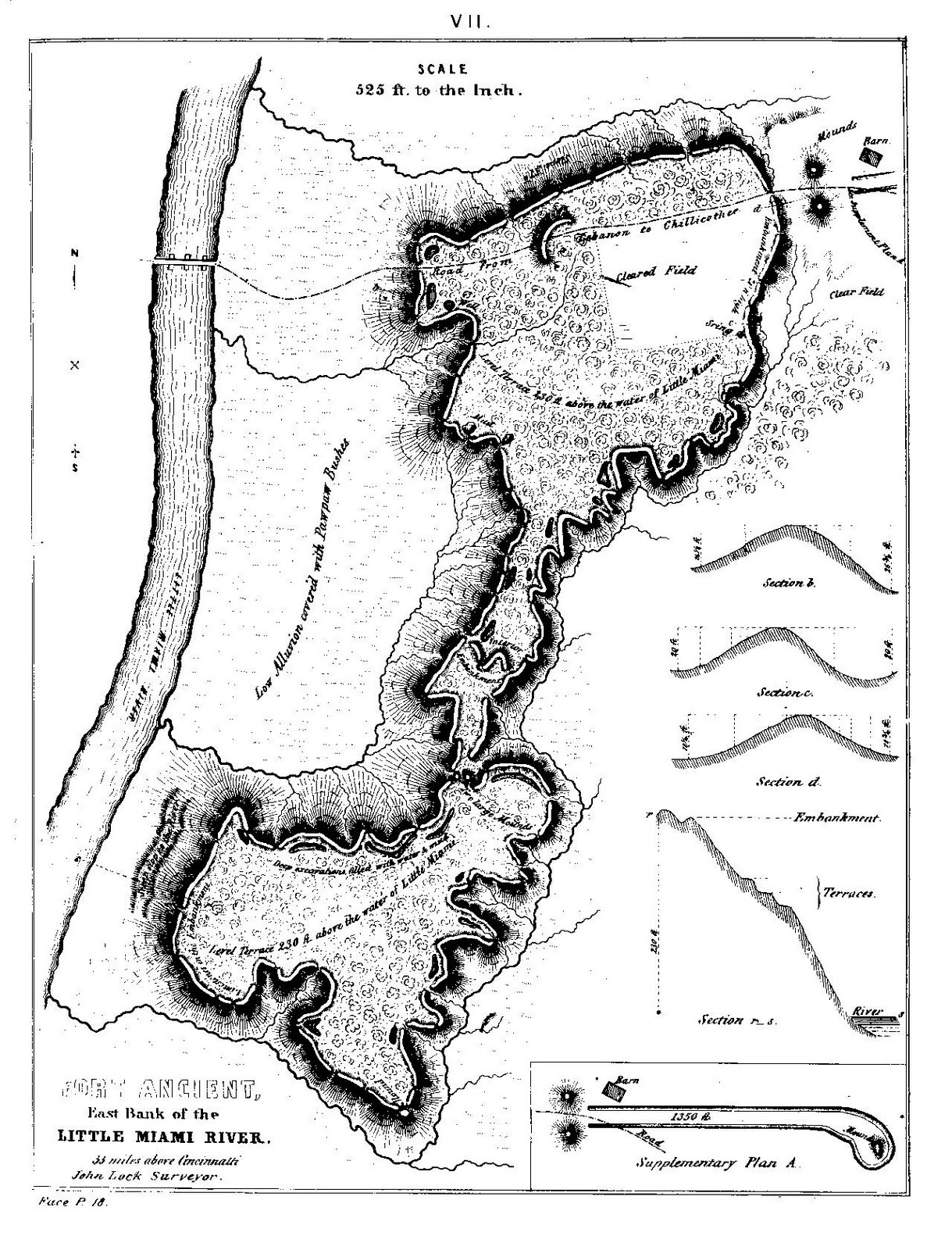
The hourglass shape of Orion has a rough counterpart in the Fort Ancient earthwork, not far from Cincinnati.

The Bayeux tapestry (scene 32) shows amazed observers pointing at Halley’s comet above a tower. In the night skies of January–March 1066, the spraying “star” passed through the middle of the oval head at Gemini.

Home / Table of Contents

Shakespeare Shorts

Shakespeare Shorts

Quotes from the Bard you can use every day — in four words or less !

.

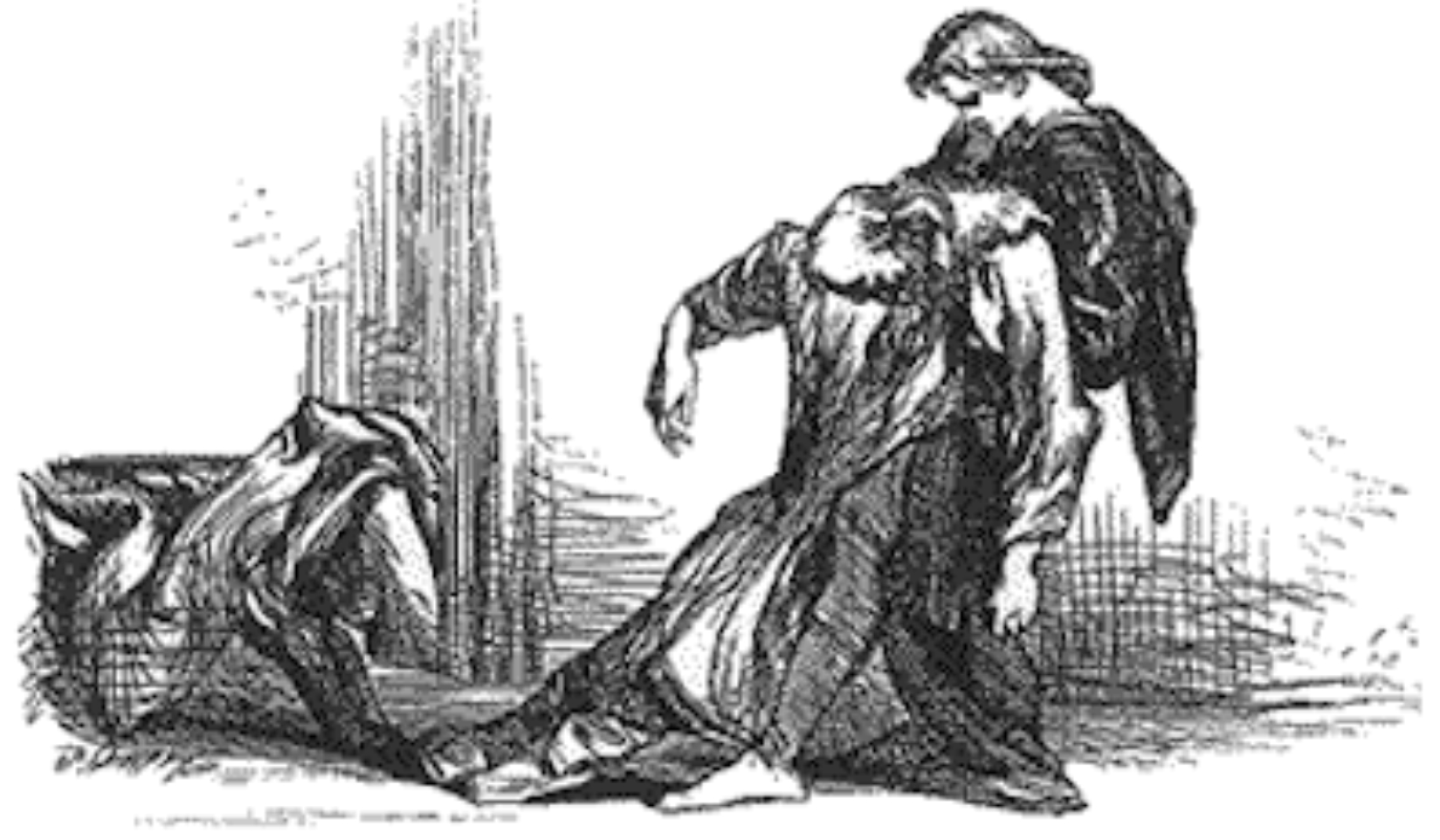
“Good night, mother.” — Hamlet III.iv.218

DraggingPolonius.gifHamlet says this while dragging the corpse of Polonius out of her bedroom. The line is delivered hilariously by Laurence Olivier in the 1948 movie.

Illustration: Unknown artist via http://hs.umt.edu/joyce/notes/060029huggermugger.htm

.

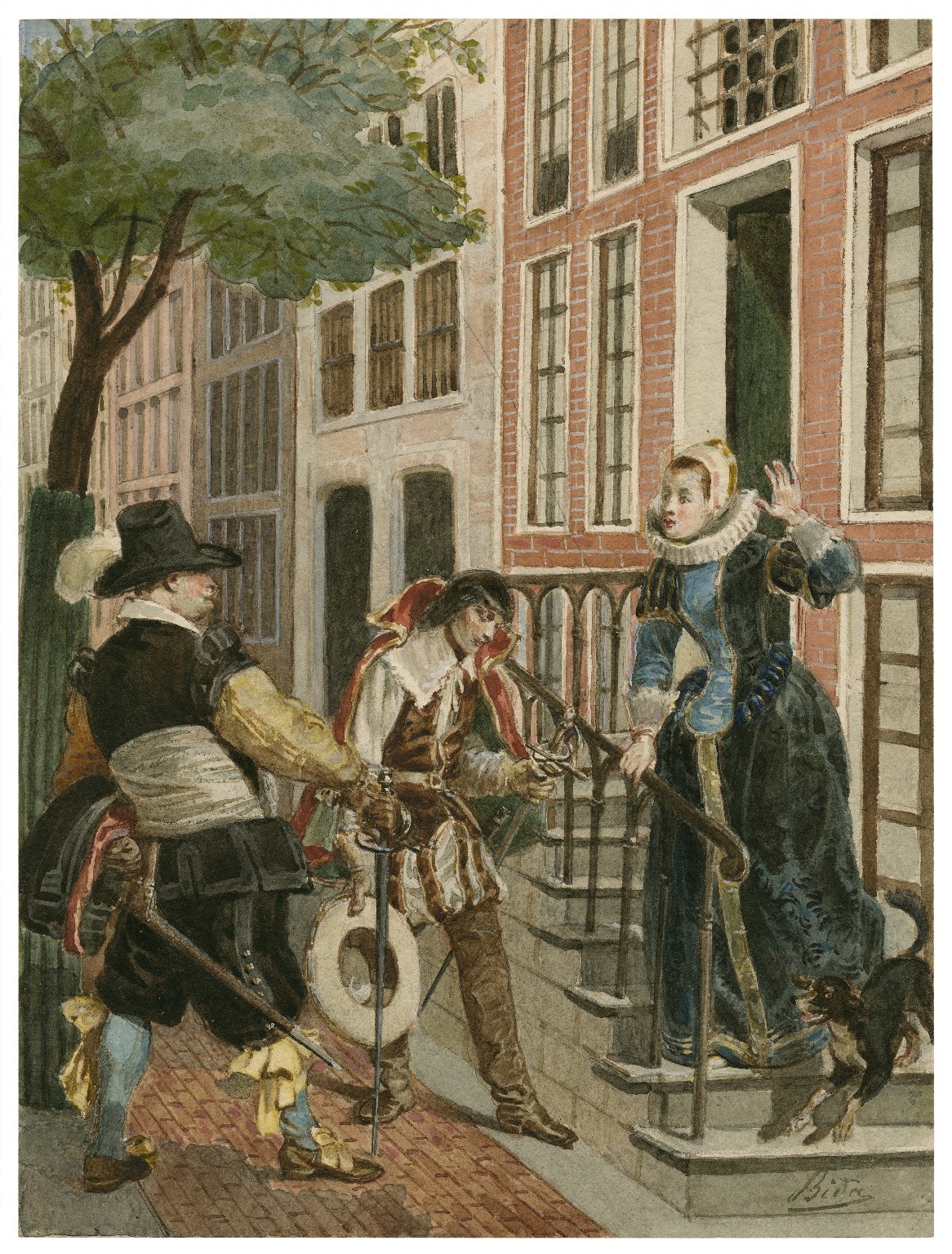
“Rudesby, be gone.” — Twelfth Night IV.i.50

02OliviaSebastianToby

This is Olivia rebuking her drunken Uncle Toby (left) with a made-up name. Sneaksby and Idlesby were similar zingers from the Elizabethan era. “Rudesby, be gone” is suitable also for siblings who dare enter your room, hoverers around your cube, and so many others.

Illustration: Unknown artist via Folger Digital Collection @ http://luna.folger.edu/luna/servlet/detail/FOLGERCM1~6~6~348735~129285:-Twelfth-night,-IV,-1,-Olivia,-Sir-

.

“Twas a rough night.”Macbeth II.iii.58

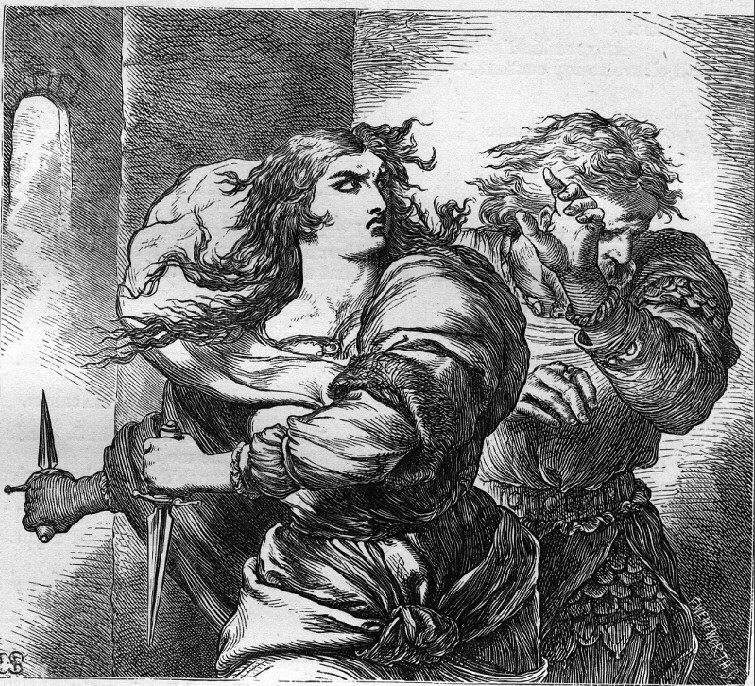
03LadyMacbeth

These four words are presented as a comment on the weather, as Macbeth chats with Lennox the next morning, but Macbeth is remembering too how he had a major fight with his wife in the wee hours. There was a lot of confusion, and bad things happened.

Illustration: Posted on the National Education Network (UK) http://gallery.nen.gov.uk/asset58044_75-.html

.

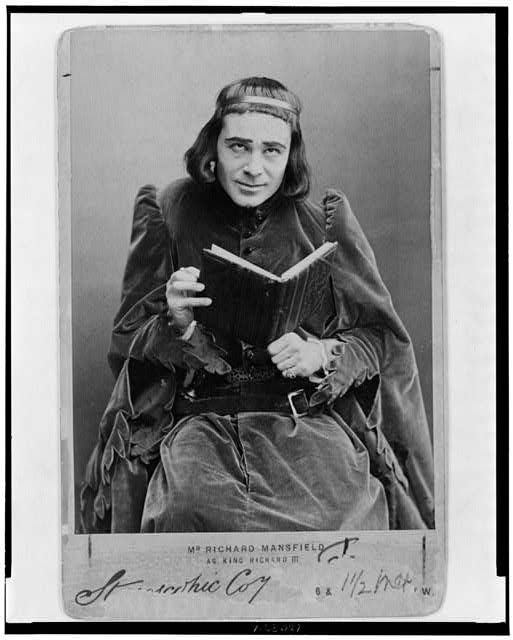
“Myself myself confound!”Richard III (IV.iv.399)

04RIIIMansfield

Anytime you trip yourself up, being too clever, you can invoke Shakespeare’s Richard — the ultimate weaver of tangled webs (the queen calls him a “bottled spider”). Richard’s most famous line is “My kingdom for a horse!” (V.iv.7).

Photo: Actor Richard Mansfield as Richard III (1889). He became a star in the stage version of Dr. Jekyll and Mr. Hyde.

.

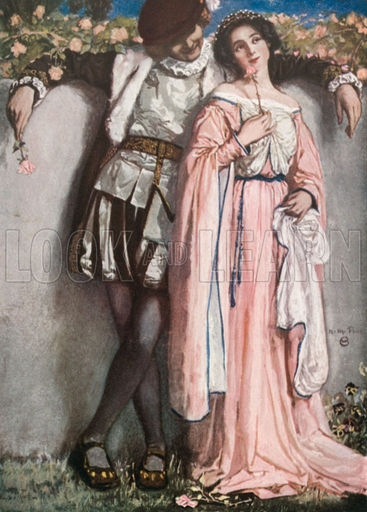
“Kill Claudio.”Much Ado About Nothing IV.i.285

Beatrice and Benedick. Much Ado About Nothing - Act IV, Scene 1

When Benedick asks a question that lovers have asked since time immemorial — How can I prove how much I love you? — Beatrice gives an unusually specific answer. Claudio is Benedick’s best friend.

Illustration: Norman Mills Price (about 1925) via http://www.lookandlearn.com/history-images/N846914/Beatrice-and-Benedick-Much-Ado-About-Nothing-Act-IV-Scene-1

.

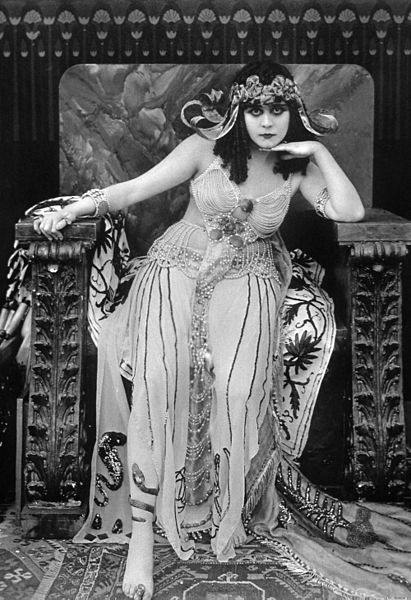
“I’ll unhair thy head!”Antony and Cleopatra II.v.64

06CleopatraThedaBara

When a messenger delivers bad news, Cleopatra grabs him by the hair and gives him a good shake.

Photo: Theda Bara as Cleopatra (1917) via wikimedia

.

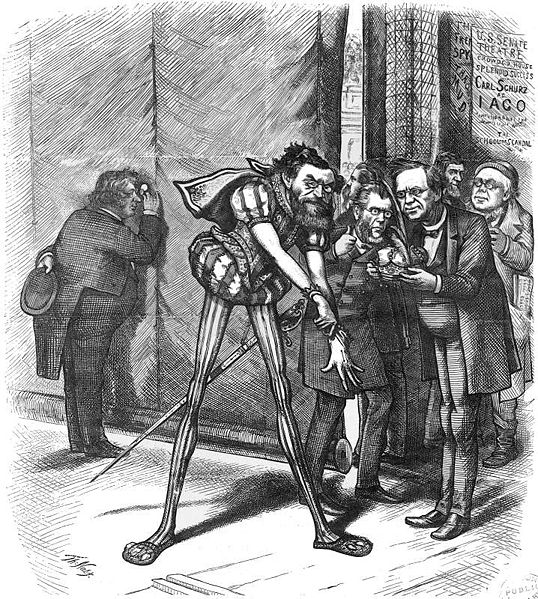
“You are — a Senator.”Othello I.i.119

07IagoByNast

Iago makes this snappy reply when Desdemona’s father calls him a villain.

Illustration: Thomas Nast cartoon (1872) depicting actor Carl Schurz in the role of Iago; via wikimedia

.

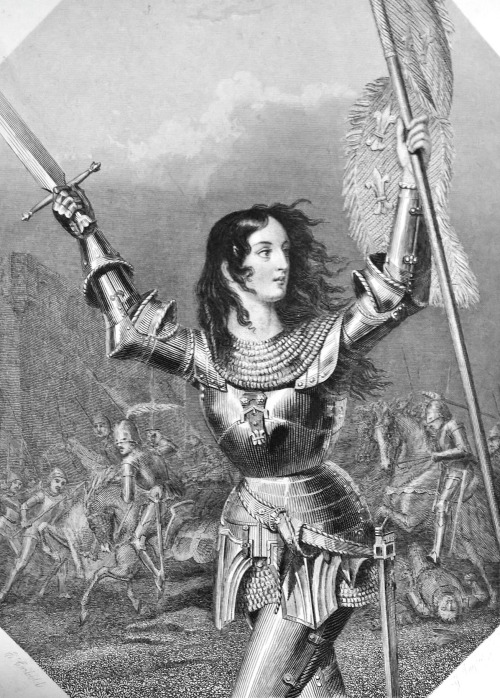
“I am your butt!”Henry VI Part Three I.iv.29

08aJoanArc

Queen Margaret rallies her commanders on the battlefield — with a line Shakespeare would probably edit if he were doing a remake today. In his time, “butt” could mean “target” or the brace that holds up a target. The target in this case is the rebel Duke of York and his followers, and she is saying: “Kill them. I as Queen uphold your cause.”

Margaret of Anjou was a durable and versatile character for Shakespeare, appearing in four of his plays. She’s a hot-blooded princess-bride in Henry VI Part One, a scheming politician with a too-churchy husband in Part Two, and a warrior queen in Part Three. She makes a comeback in Richard III as the acid-spitting embodiment of “I told you so.” The only other character to appear in four plays by the Bard is Bardolph, a sidekick of the cowardly Falstaff.

Illustration: Joan of Arc serves here as a stand-in for Queen Margaret. This copyright-free engraving of Joan is from The Stratford Gallery or the Shakespeare Sisterhood by Henrietta Lee Palmer (1866). You can see a portrayal of Queen Margaret in a similar pose in the following article from The Guardian, which shows Dame Peggy Ashcroft dressed for battle. Scroll down at: http://www.theguardian.com/stage/2015/jun/09/great-performances-peggy-ashcroft-the-wars-of-the-roses

.

“Die all, die merrily.”Henry IV Part One IV.i.134

09Hotspur

For those who choose to go out in a blaze of glory — being true to their own flawed selves — the brilliant but short-lived Hotspur provides a cheerful exit line.

Painting: William Edmund Doyle (1864) via wikimedia

 .

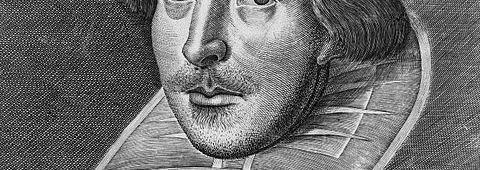
“Speak, breathe, discuss; brief, short, quick, snap.”

— The Merry Wives of Windsor IV.v.2

11DroeshoutPortrait

Illustration: The Droeshout portrait appeared in the first publication of Shakespeare’s collected plays, known as the First Folio (1623).

Home / Table of Contents

Joke Journal

Joke Journal

Image: Wikimedia

Yosemite Sam via wikimedia

What is the earliest joke you can remember from childhood? Maybe it was something on TV, possibly involving a small, seemingly powerless figure who turns the tables on somebody big. It might have been Tweety dodging Sylvester. Certainly Bugs Bunny had no trouble dealing with mini-adults like Elmer Fudd and Yosemite Sam. Faced with a gun at point-blank range, Bugs would plug the barrel with his gloved finger and . . .

Ka-blooey! Scorched face. Ka-blooey! Moustaches with smoke twirling off the ends.

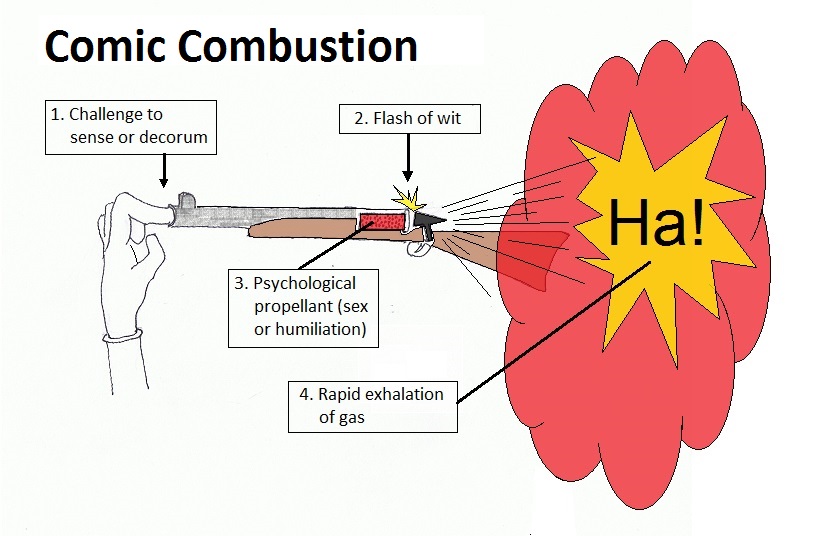
Inspired by Bugs Bunny, below is a graphical model of how a joke works. Humiliation is the energy source in about a third of all jokes. References to sex are the combustible fuel for another third. The remaining third of jokes get their pop from disrupted language processing, which we’ll get to later.
21IccCallouts

_ _ _

According to some, “ha!” is an expression of relief like “whew,” meaning “I’m glad that happened to you and not me.” As you see in the chart below, a lot of comedy is associated with characters who bring misfortune on themselves.

03QuadHarmHumorists

The Inept Aggressors are fools. They deserve ridicule — ha! Our feelings are less clear when we laugh at Habitual Victims and Innocent Bystanders. In the world of “insult added to injury” humor, as in the real world, the innocent take their whacks with the guilty. Too bad for you, chumps!

To see the “Prawn Salad Ltd” sketch, google: youtube monty python prawn salad

_ _ _

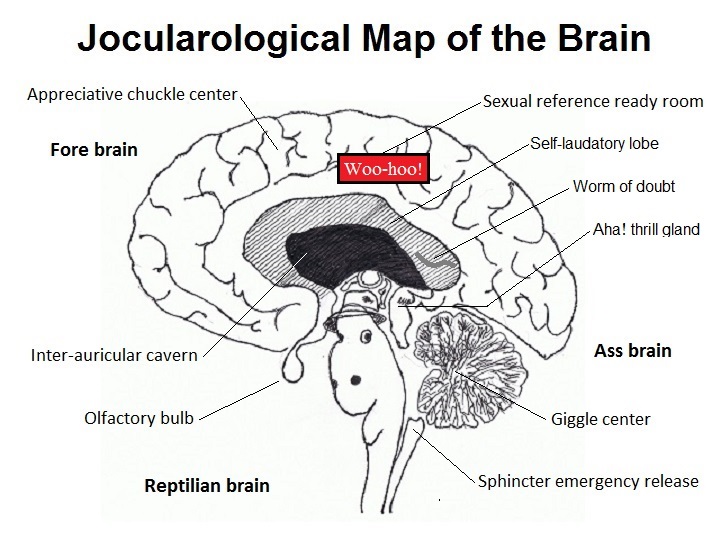
Thanks to advanced scanning technology, scientists are beginning to understand the role of the ass brain in joke processing and guffaw emissions.
13BrainMapCallouts

_ _ _

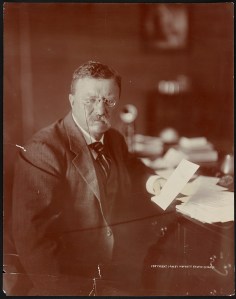
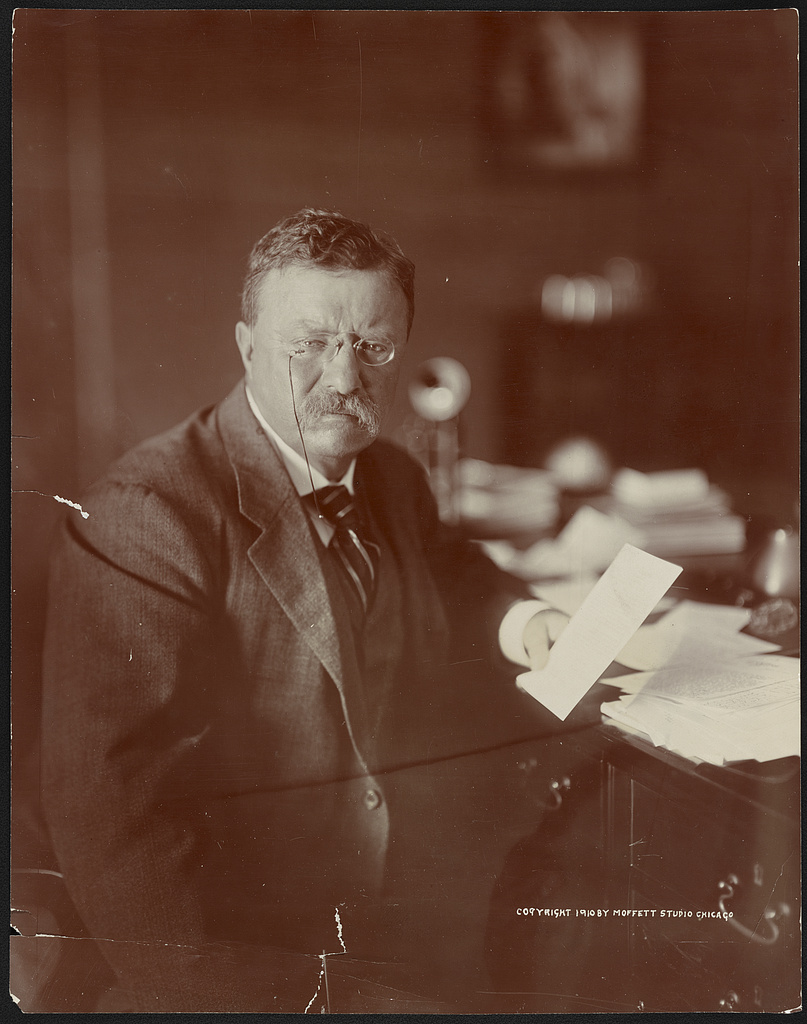
Theodore Roosevelt (1910) via Library of Congress

Theodore Roosevelt (1910) via Library of Congress

I once organized a practical joke at work. It was just before a weekly department meeting, and there were about a dozen people around a big conference table, waiting for the boss to arrive. “Everybody, raise your chair to maximum height,” I said. The boss arrived soon after, started the meeting, and eventually he said the secret word (the name of a major client). Around the table, we all pulled the levers on our chairs and sank six inches in unison — a hilarious sight. Surprisingly, the boss — though he was famous for his sense of humor — didn’t laugh. For everyone in the room except him, part of the joke was seeing the look on his face. The thing about a practical joke is: there is always someone not “in on it.”

  • To illustrate the boss’s famous sense of humor: he once said if he was out and you left a memo on his empty chair, he would assimilate the information by assmosis.

_ _ _
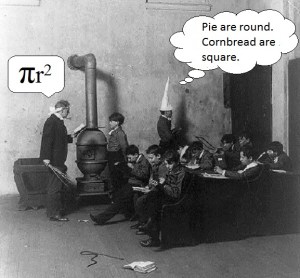
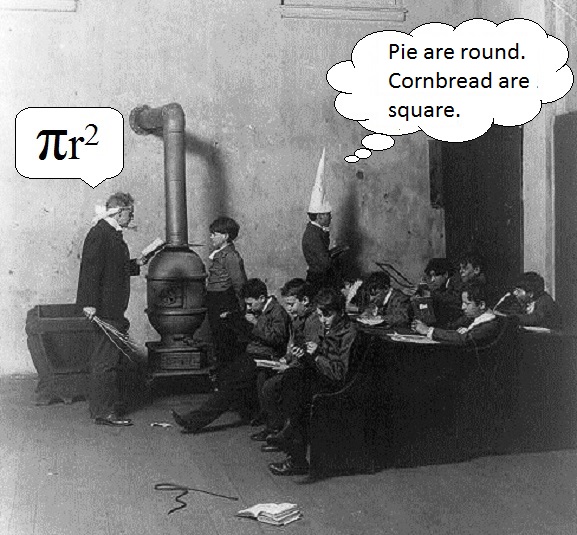
14DunceRevBalloon

The schoolmaster has a switch in his hand and a quill behind his ear, circa 1905. Photo: Library of Congress LC-USZ62-37935

In seventh grade, Mrs W told a version of the “pi r square” joke, which uses “country” grammar and food ways to slam the rural poor — a popular target in all parts of the world and in every era of history. The funny thing is: Mrs W was a self-declared hick, having a Texas accent and being from a family that had seen hardship (which was why, she said, she wore a black skirt and plain white blouse to work every day).

But folks are paradoxical, and country people love telling jokes with a twang. It goes to show how stereotyping feels different when the target group is in on the joke.

Instead of a pickup, Mrs W drove a beat-up ol’ white Triumph TR-3.

_ _ _

Humiliation and sex account for about two-thirds of the joke universe. The remaining third belongs mostly to language-processing humor. Puns are an example. You think you know what a word means, and then it means something different (“What has four wheels and flies?”). Another type of “wrong meaning” joke follows the pattern of “Waiter, what is this fly doing in my soup?”

A third type uses the juxtaposition of poetic language with street talk. The high-low language combo usually gets referred to the appreciative chuckle center (see Jocularological Map of the Brain), but in this “Indian oke” example from Silkwood (1983) you see how mismatched diction can bring on an epiphany. In one shattering instant of illumination, we see what life has been like for TDF. Fair warning: if you are offended by the foul language you hear on cable TV, you should watch this video anyway.  https://www.youtube.com/watch?v=LSoNSVKTvGw

_ _ _

One day in fifth grade, I noticed Mrs M kept pointing to the chalkboard with her middle finger. Clueless grownup! Little did she realize she was using a bad word in front of the class. I clamped my lips as hard as I could, but there was nothing I could do about the grand mal giggles in my chest. Terry B noticed and started making funny faces whenever Mrs M turned to the board. I couldn’t take a breath. My insides were jolting like an off-balance washing machine. I don’t know how I made it to recess. But the last thing in the world I wanted to hear was Mrs M calling on me to ask: “Karl, would you like to share with the class what is so funny?”

Home / Table of Contents

How to Find Favorite Constellations

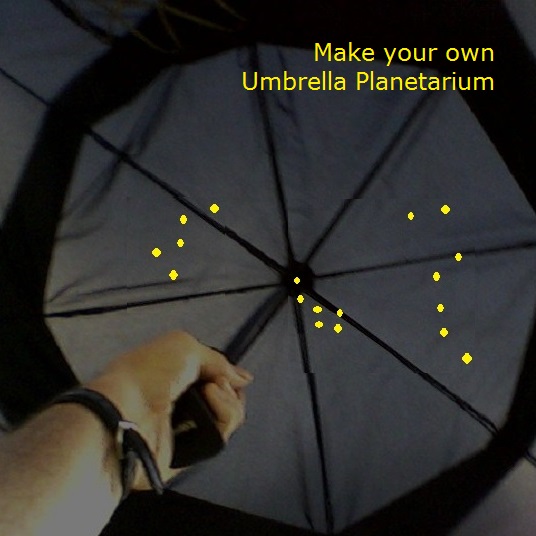
04UmbrellaPlanetariumThe Big Dipper (Ursa Major) and the Little Dipper (Ursa Minor) are two of the best-known constellations for viewers in the Northern Hemisphere. They are easy to locate. And having found the Dippers, you can also track W-shaped Cassiopeia (KASS ee oh PEE yuh). All you need is a portable planetarium.

To make an Umbrella Planetarium (very portable), paint three constellations onto the underside of an umbrella, as shown. Point your umbrella at the North Star, and rotate the stick counterclockwise. Voila, the nightly and seasonal motion of the circumpolar stars.


Find the North Star

01FirstFindNorthStarTo find the Dippers, first find the North Star (Polaris). Look due north, about one-third to one-half of the way up from the horizon.

  • If you are in Los Angeles (34 degrees latitude), Polaris is 34 degrees above the horizon.
  • If you are in Seattle (47 degrees latitude), Polaris is 47 degrees above the horizon.

From anywhere in the Northern Hemisphere — any time of year, any time of night — Polaris is due north and x degrees above the horizon, where x = degrees north of the equator for your location. At the North Pole (90 degrees latitude), the North Star is at the top of the sky.


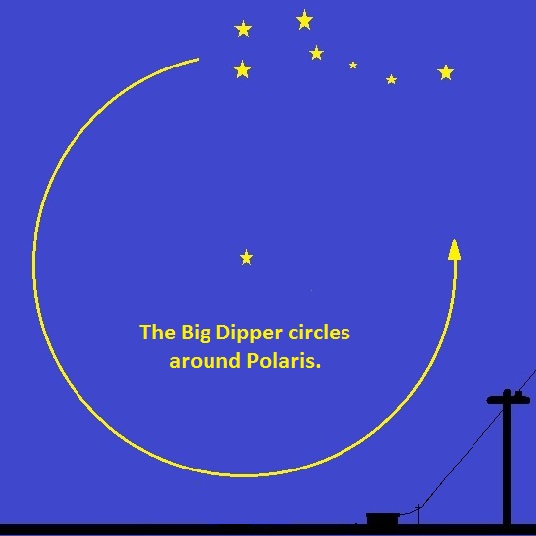
02LookInCircleEven if you can’t find Polaris (often too faint to see under city lights), look in a large circle around its estimated location. The Big Dipper is bigger, brighter, and easier to find.

  • Because of Earth’s rotation, the Big Dipper appears to circle Polaris every 24 hours.
  • Because of Earth’s orbit around the Sun, the Big Dipper’s starting point each night appears to advance a little in the counterclockwise direction.

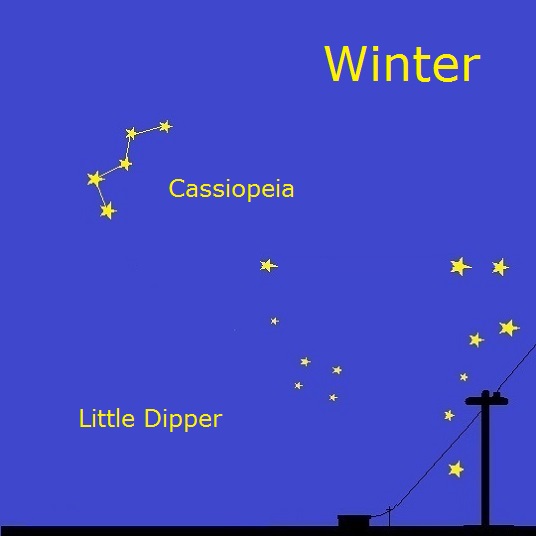
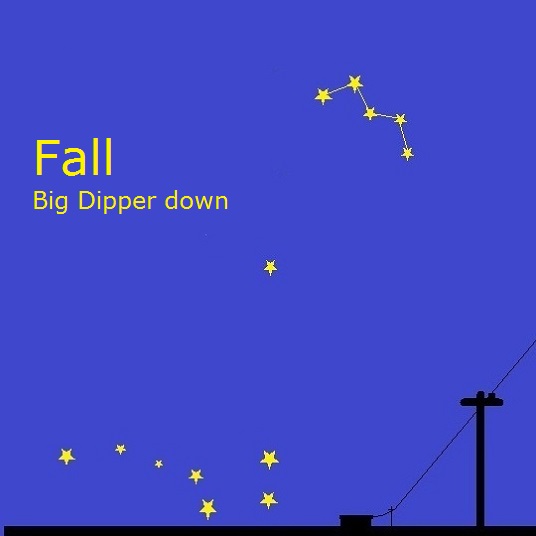
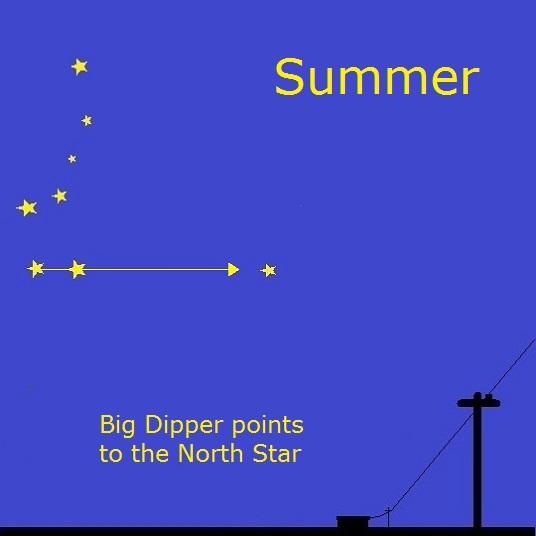
Knowing about the Big Dipper’s circle, you can predict where to find this constellation during each season of the year. If you are out for several hours, you can follow the Big Dipper’s slow progress around the circle and estimate the time.


Note: Click images to enlarge.


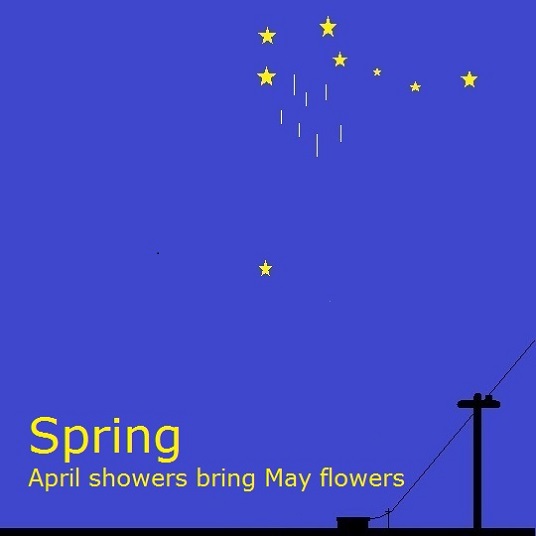
With observations taken in mid-evening, Spring finds the Big Dipper high in the northern sky, well above the North Star (more than two hand widths, held at arm’s length). By Summer, the Big Dipper’s nightly starting point has inched one-quarter of the way around its circle. Notice how the two forward stars of the pot always point to Polaris. In the Fall, the Big Dipper approaches the horizon and may disappear for viewers in southern latitudes (in Florida, for example). Look for Cassiopeia, which travels around the same circle as the Big Dipper but on the opposite side. Near the middle bump of this W-shaped constellation, astronomer Tycho Brahe observed a supernova in 1572. In Winter, the Big Dipper climbs toward the top of the sky again, now three-quarters of the way around its circle. The Little Dipper, with Polaris at the tip of its tail, sweeps around the circle like the hand of a clock running backwards.


Disclaimers: The North Star is visible from the Northern Hemisphere. Sorry, Southern Hemisphereans!

The seasonal positions shown for the Big Dipper and Cassiopeia assume a viewing time in the mid-evening. When viewed at later times, these constellations will be seen to have moved along their circular paths in the counterclockwise direction.


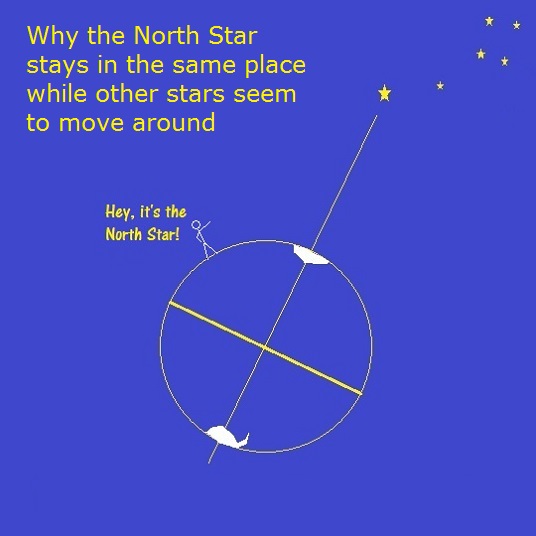
05RevEarthPolarisWhy Polaris Is Aways Seen in the Same Location

A line drawn through the South and North Poles points directly to the North Star.
 

Coming soon . . .

South-Facing Constellations
 

Home / Table of Contents