
Vanowen Vanalden
A Walkabout
Observatory * Carnations * Injured Raccoon * Psychic Advisor * Cactus Garden * Planet Mercury
SoCal Postcard * Unfloated Boat * Pigeons * Invisible * Sunken Beetle * Arc de Tree-omphe
Cock Crow * French Normandy * Bunkhouse * Plantation * Flying Flags * Spooky Spiders
Yard Meeting * Dozen Cats * Elephants * Mermaid * Hanging Rock * King Palms
The Observatory
Click to enlarge.
It’s seven stops by bus to Donut Queen.
I burn the calories off by walking home
really fast, my legs like metronomes
double-beatin’ (keep repeatin’) through
blocks of shaggy lawns and putting greens.
I slow for madmen’s gardens, as their due.
I also take the buses east and west,
to Cupid Dogs and Melody’s cocina.
Later on, on memory’s subpoena,
the details come — the way a house replies
to passers-by, its thereness to attest
with pavers, petals, dogs, and dragonflies.
My writing table’s turned to face a wall,
a troweled screen for scenes that I recall.
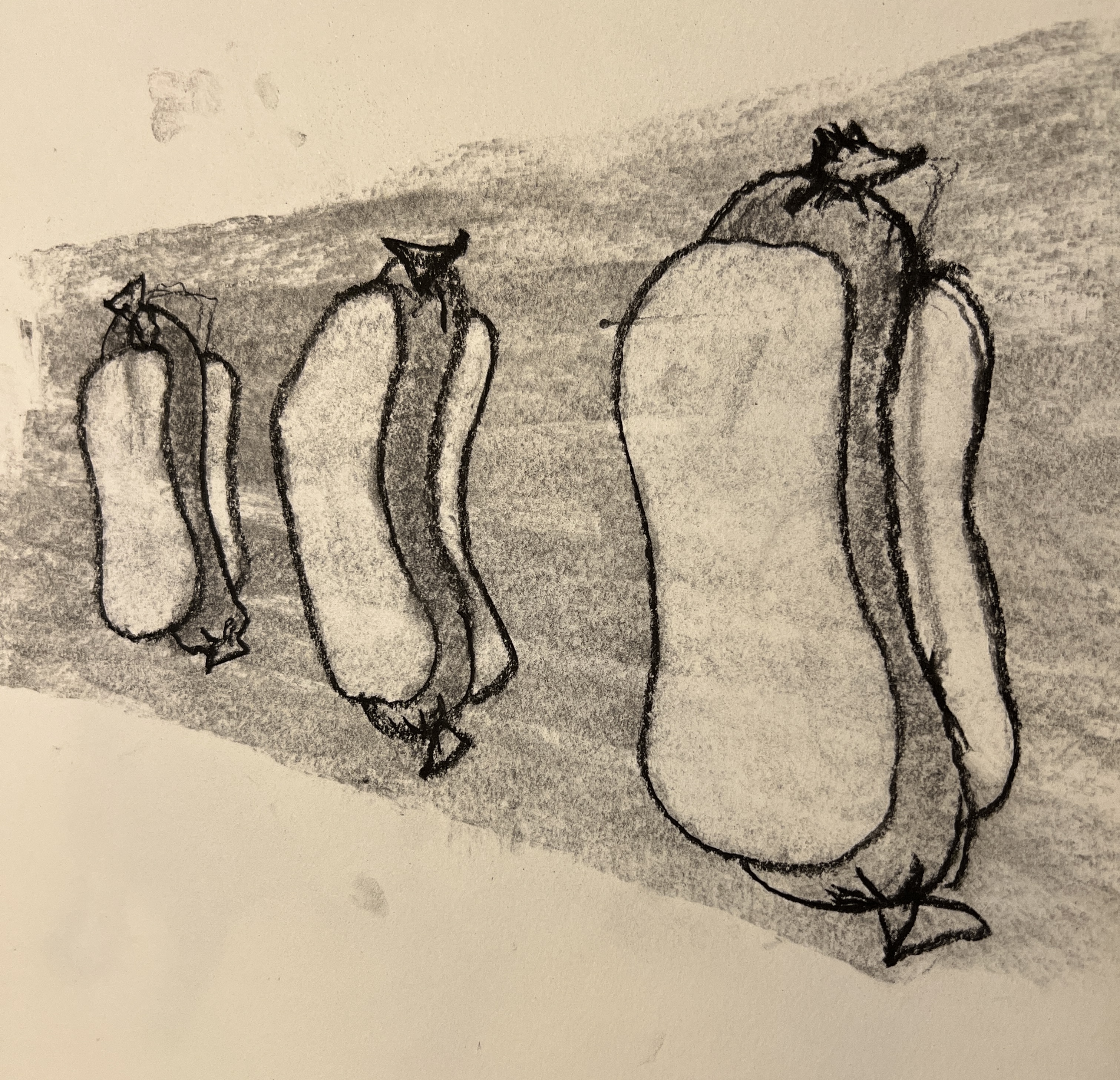
The Carnations House
The off-ramp runs beside a narrow yard;
woody vines in-thread its chain-link fence.
Bouquets in buckets edge the ramp. Their scents
infuse the breath of idling cars when red
lights halt the line. A driver’s trance is jarred.
“Flowers might be nice” runs through their head.
Two women tend the buckets, ever trimming,
turning, tugging — their blouses petal-white,
their skirts like wilted sepals, lifting light.
Their backs like stems are bowed, their gazes down,
the overseeing sun listlessly swimming,
their keyhole shadows refuge underground.
The southern view pre-freeway, mostly bare.
Now the pop-up flower shop is there.
The Injured-Raccoon House
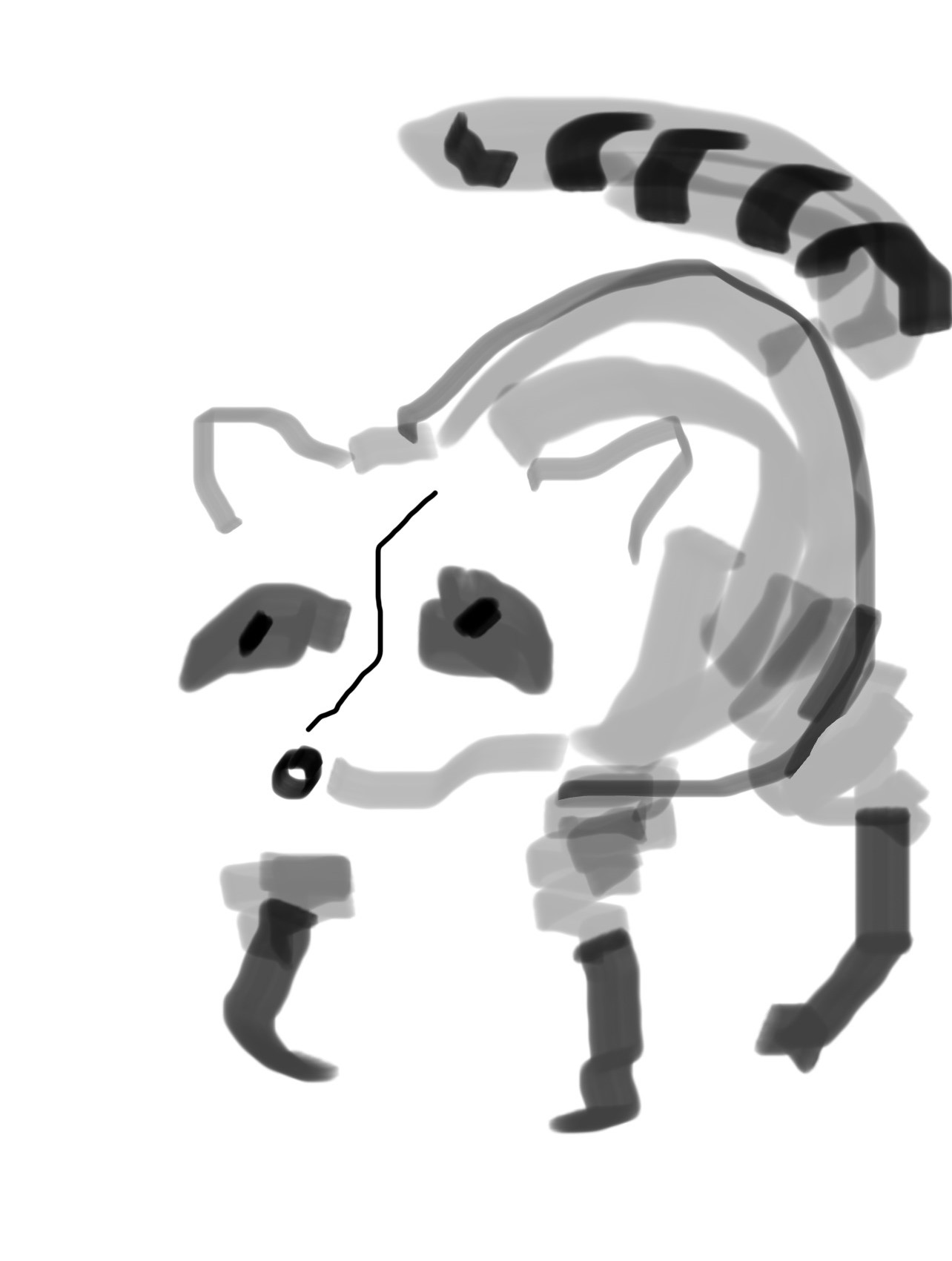
Behind the sign for Home Repairs Done Right,
the raider tests her stricken paw for hurt.
She hurries low and limping. Stops, alert.
Her every quivering hair to Danger sings.
A human straight ahead has her in sight.
Humans guard their nests with baits and springs.
Let Nature take its course, or phone for help?
A wounded beast will more than likely die.
“Is capture better?”asks the passer-by.
Animals live among us — in the urban wild.
What they want is what you’d want yourself.
Racoons will be racoons, unreconciled.
The raider sets her stance. The parley’s cut.
You gonna let me go my ways, or what?
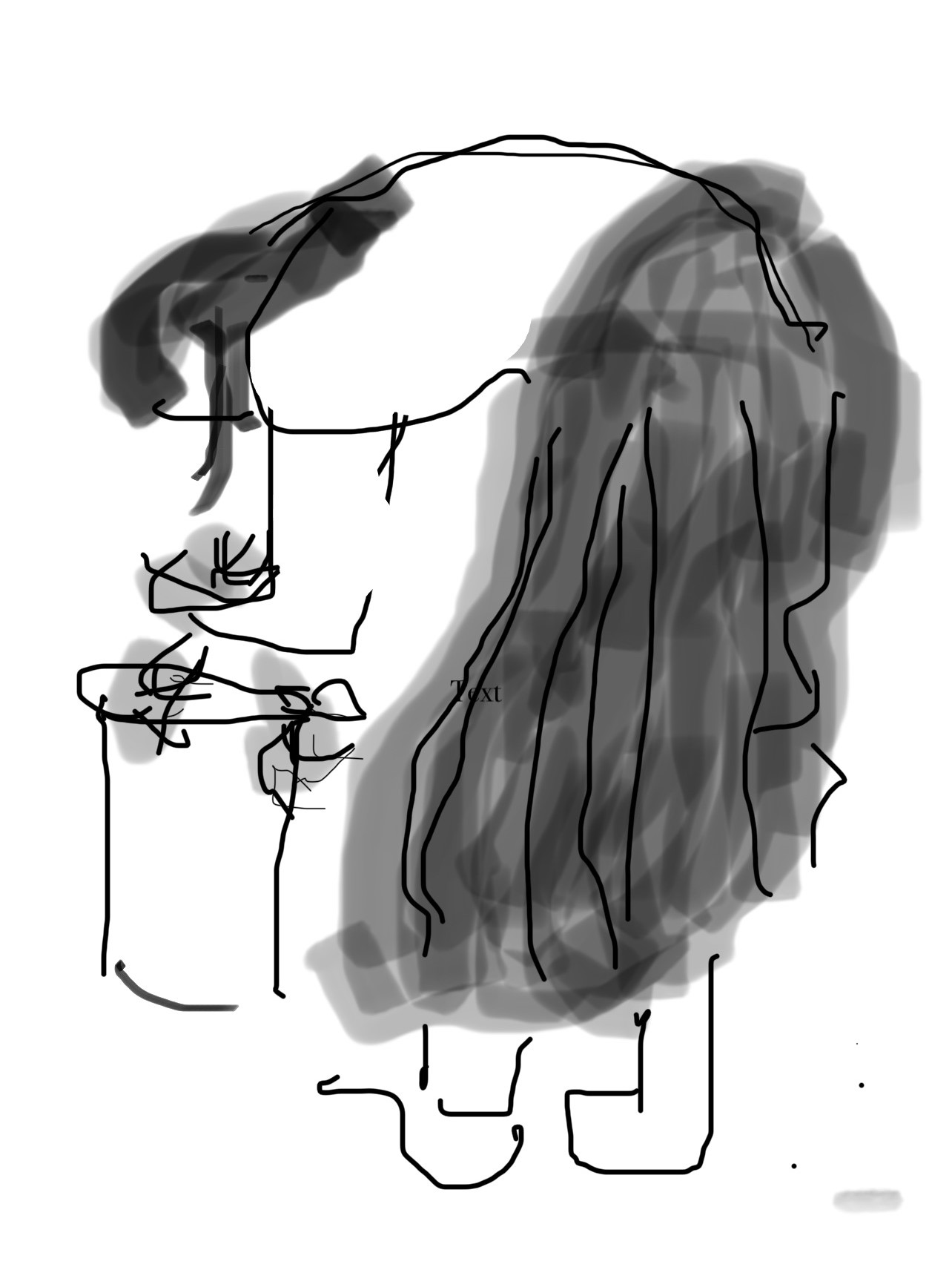
The Psychic Advisor House (La Llorona)
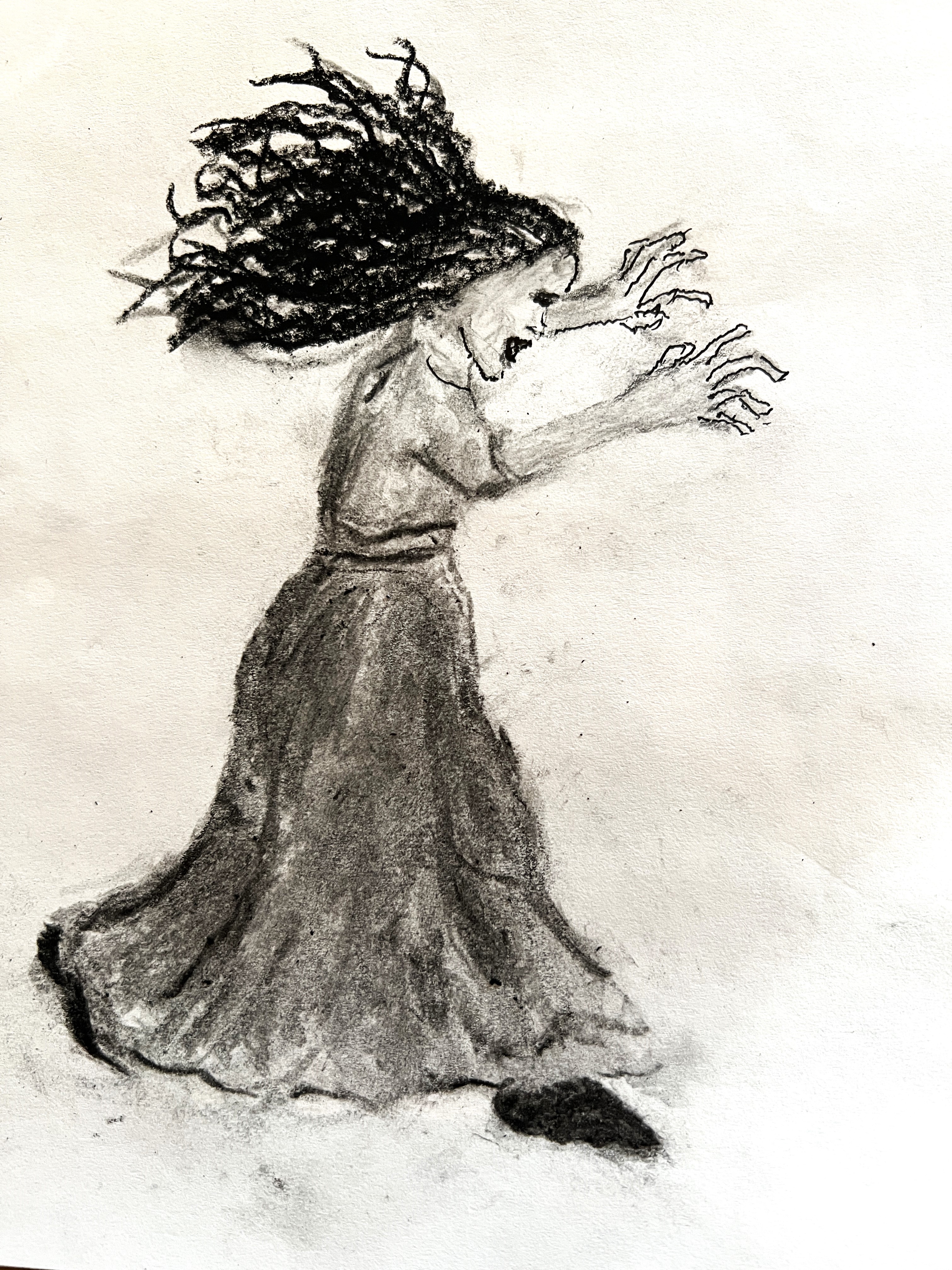
The grass is gray — the way a saint’s eyes
de-color, vision-blasted, after thirty
desert days. The shrubs are lean, the dirty
lies of worldly pride all stripped to bone.
Her door is there to knock. One old and wise
has guiding words for those who walk alone.
On certain nights, a bluish light escapes
the blackout windows, pulsing crazy streaks.
The chimney channels horrid cries and shrieks.
A tattered silhouette flies round the eaves,
grasping, crushing, rending empty shapes,
her gone-forever children, how she grieves.
The painted sign in front: Your Horoscope.
Love and Marriage, Riches, Loss, and Hope.
The Cactus Garden House
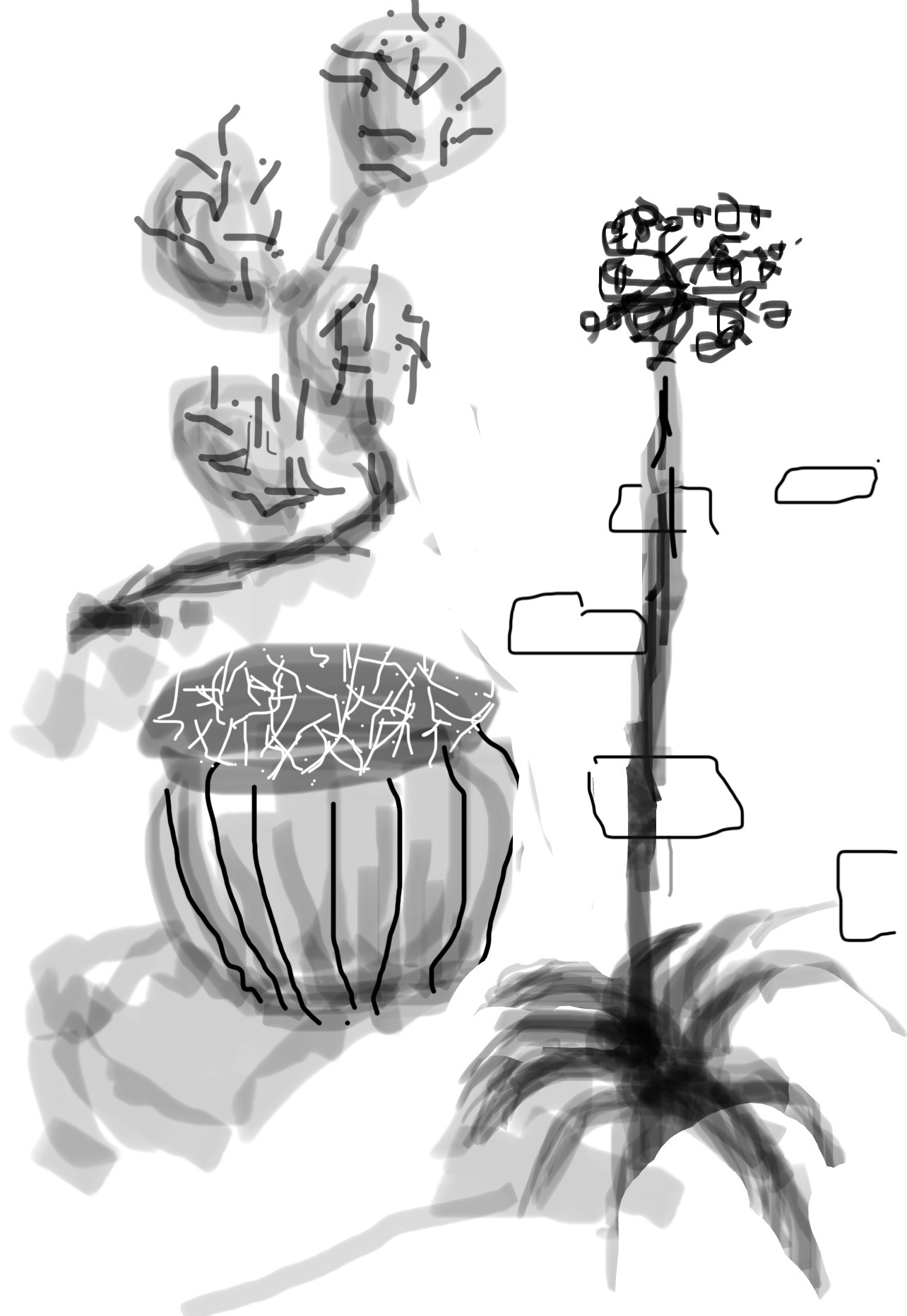
“Sit here,” the barrel cactus seems to say,
the yucca like a lamp at shoulder height.
Nopales racked like comic books invite:
“Come in to Kokopelli’s reading room.”
A mound of prickly pears serves up buffet.
The falling ice-plant fingers thence presume.
Tall and short, the flat and full, columnar
forms and branched combine to mime a place
with consonance, where exiles rise to grace.
Agave blue and cream to aloe green,
the yard apotheosizes desert summer:
immaculate at noon, at dawn serene.
I’ll not sit there, but thank you, Sere Mirage —
mere masterpiece of succulent montage.
The Planet Mercury House
The walking bridge across the river lends
a slotted view — clear of roof and tree —
and through the slot the naked eye may see
a hundred million miles to ante-dawn,
the hour when tiny Mercury ascends,
before the blazing light of day comes on.
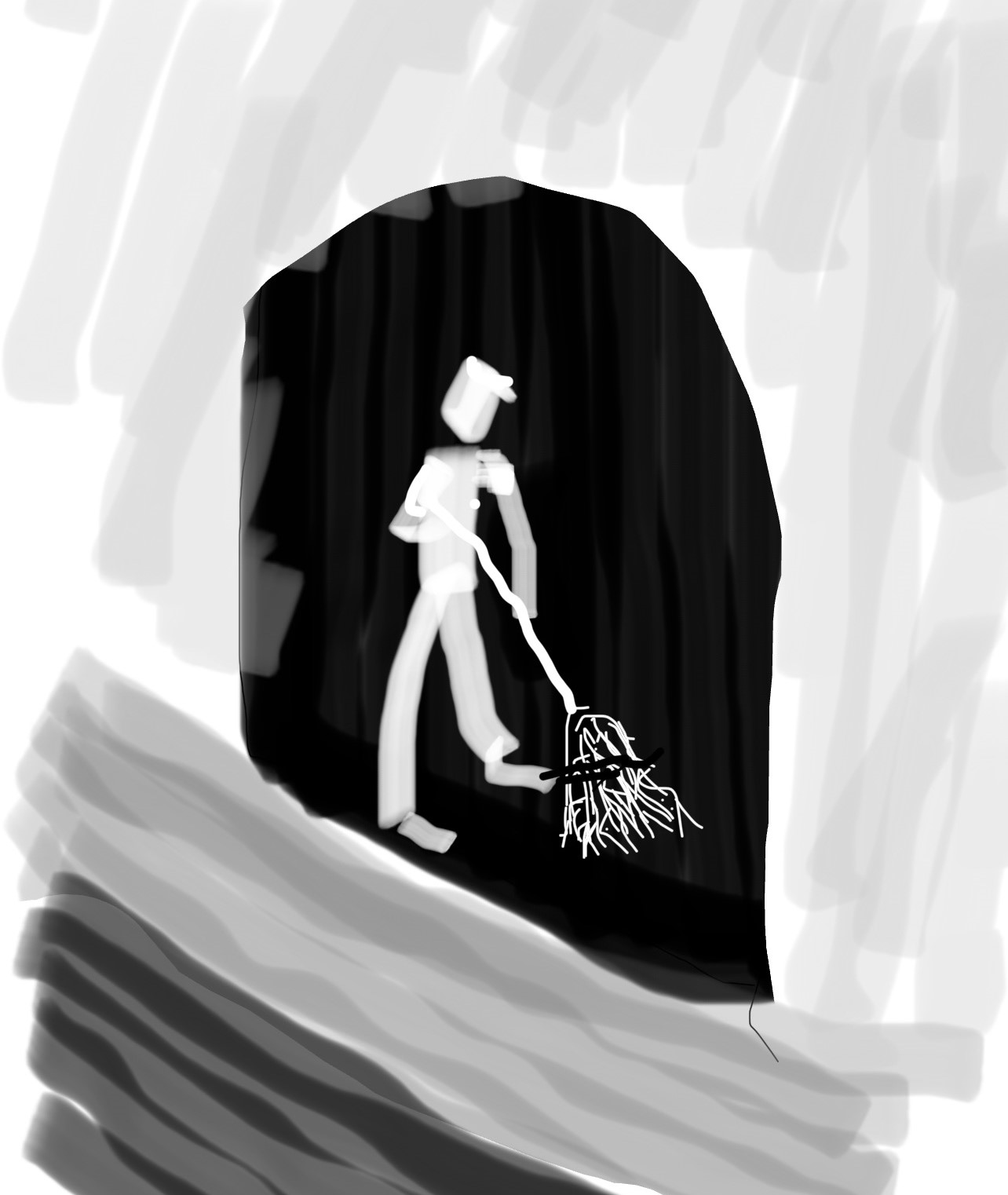
Below the bridge, a sound of scratching brings
the moment back to earth, like coughing in church.
A haggard man with a broom beneath our perch
mucks out his storm-drain home, a daily sweep
that’s done before he sets up breakfast things,
while most respectable houses are asleep.
October 10th, Twenty-fifteen:
Mercury and an unnamed body seen.
The SoCal Postcard House
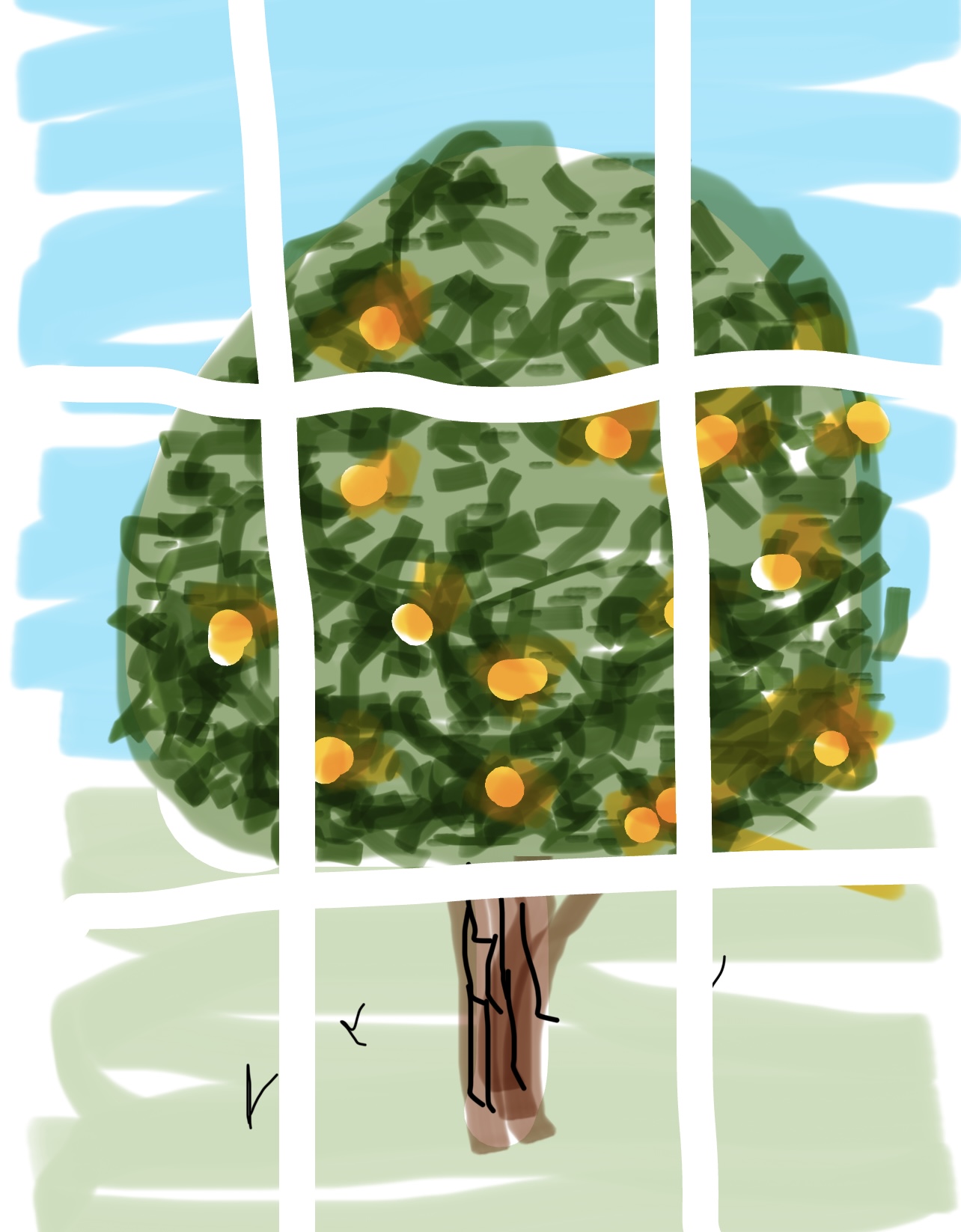
You see a future when you plant a tree:
those sunny breakfasts every day together
with orange juice as free as air forever.
A cozy house, a quiet street, the sun
a kindly god, and time abundantly:
the world was new in 1951.
They couldn’t have known their house would soon explode
financially — like the hydrogen bomb — the price
a half a mill for worker housing. Nice
for some, how hyper-dollars froth and seethe,
but not for those who clung to their abode,
the monthly bills they pay to live and breathe.
An orange tree, a mushroom cloud of money,
a twentieth century land of milk and honey.
The Unfloated Boat House
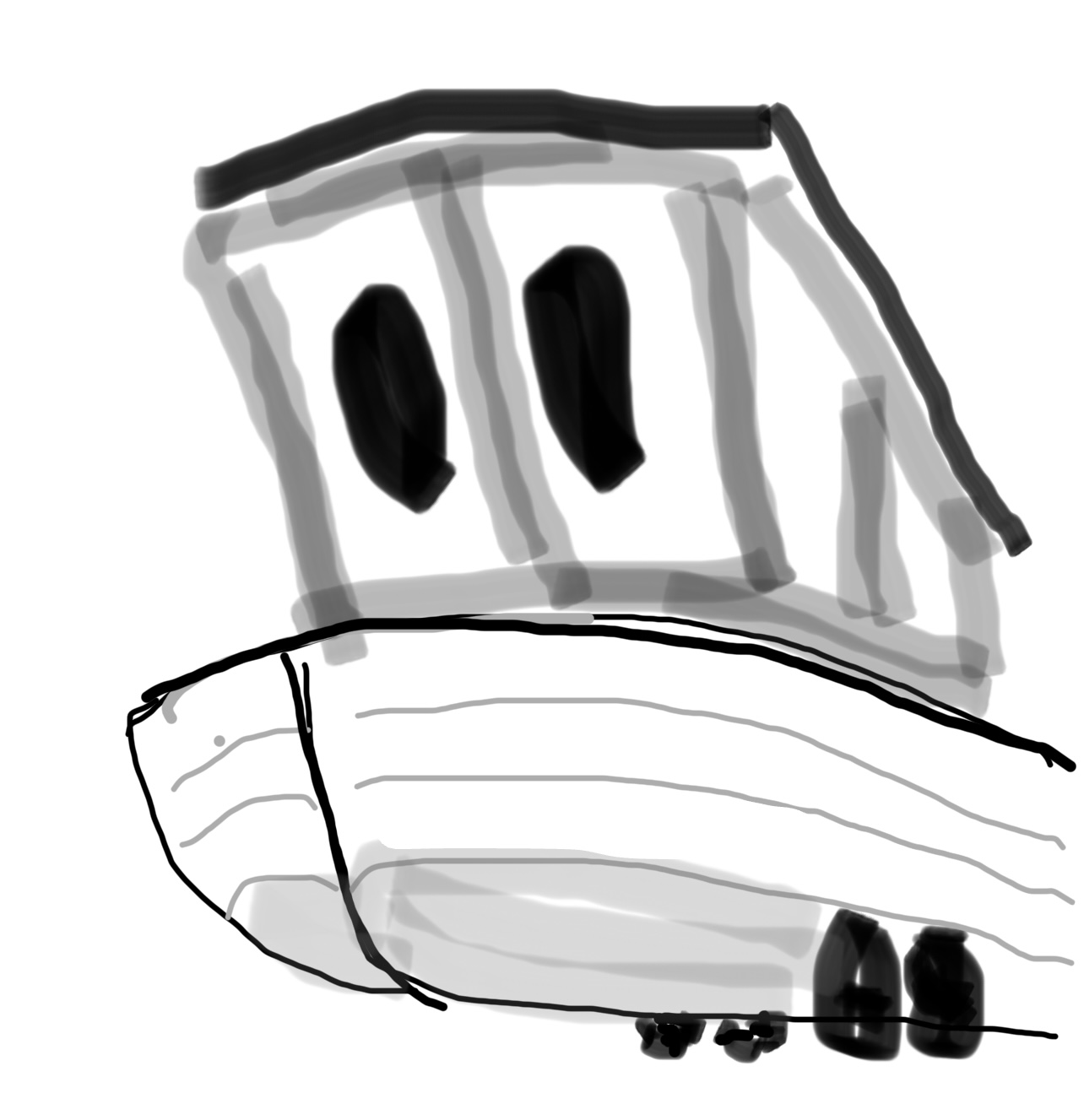
Not every man restores a classic Mustang
in latter middle age. Camaros too
usurp garages — all in tribute to
the flame that melted freedom like a candle
in hotspur days of metal-flake meringues,
which wiser hands now lovingly dismantle.
But here’s a man who built instead — an ark:
its wide shallow hull, good for lakes;
its tall trawler’s bridge, an odd mistake
(a gust in any chop might flip the craft).
In driveway dry-dock now, forever parked,
it shows the old man’s not completely daft.
Astride the frozen tide of memory,
she’s cherry: Don Quixote of the Sea.
The Pigeons House
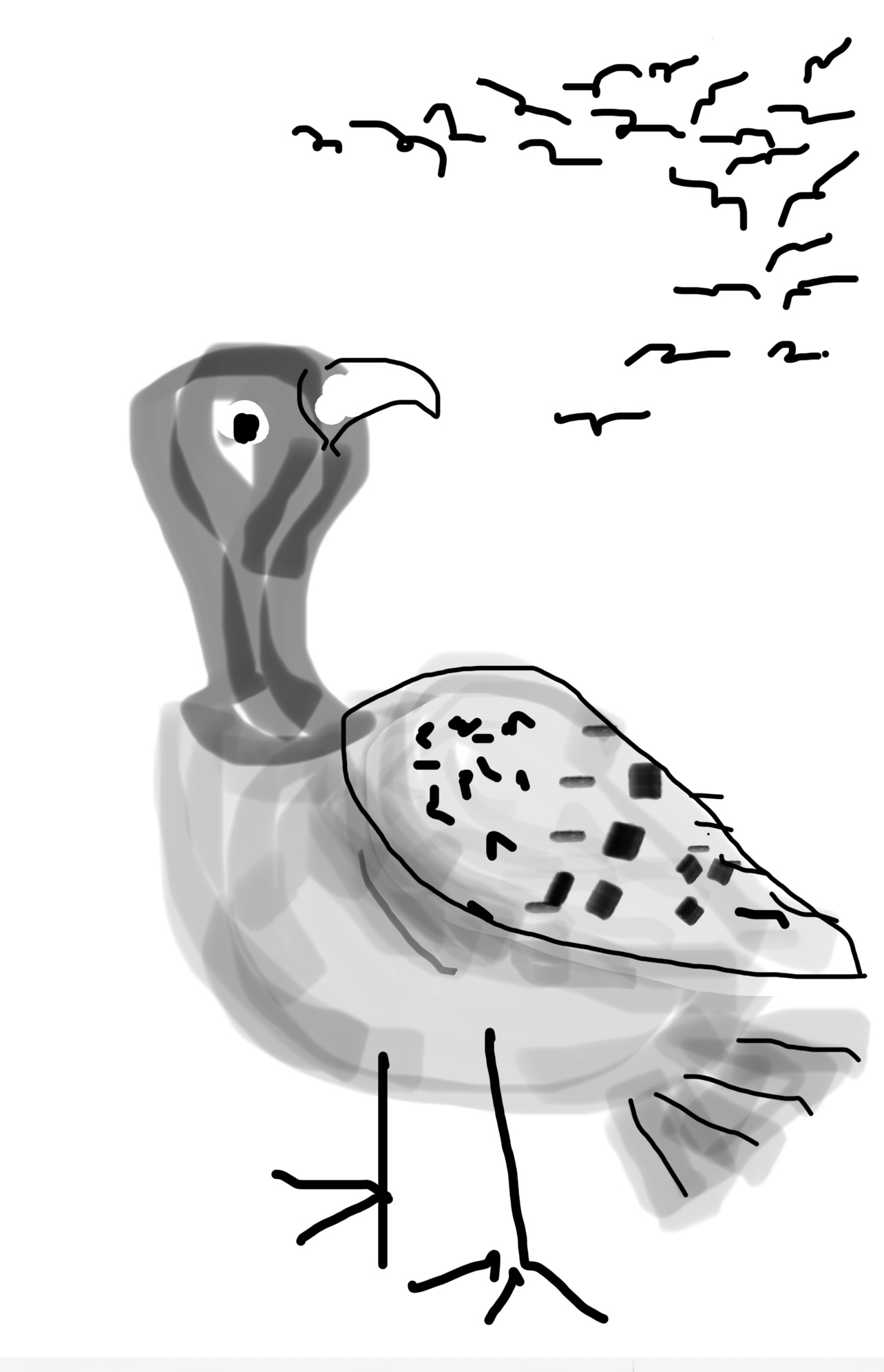
Unfree as a bird, they fly in figure eights
(the warden dropped the gate, they flew the coop).
They lope for half an hour through loop-de-loops.
When homing calls, through one-way doors they walk;
their dinner and accustomed perch await.
The loft’s a whir of sociable pigeon talk.
Born a pigeon, trained to this routine,
it’s not as though they ever had a choice.
Supposing one flew off to find his voice…
Who would hear, and what then would he be?
Coyote luncheon. Oh, what can it mean
to a daydream believer in a … famous Me.
Their turns are like a scarf in winds at play,
the flock expressing grace the pigeon way.
The Invisible Houses
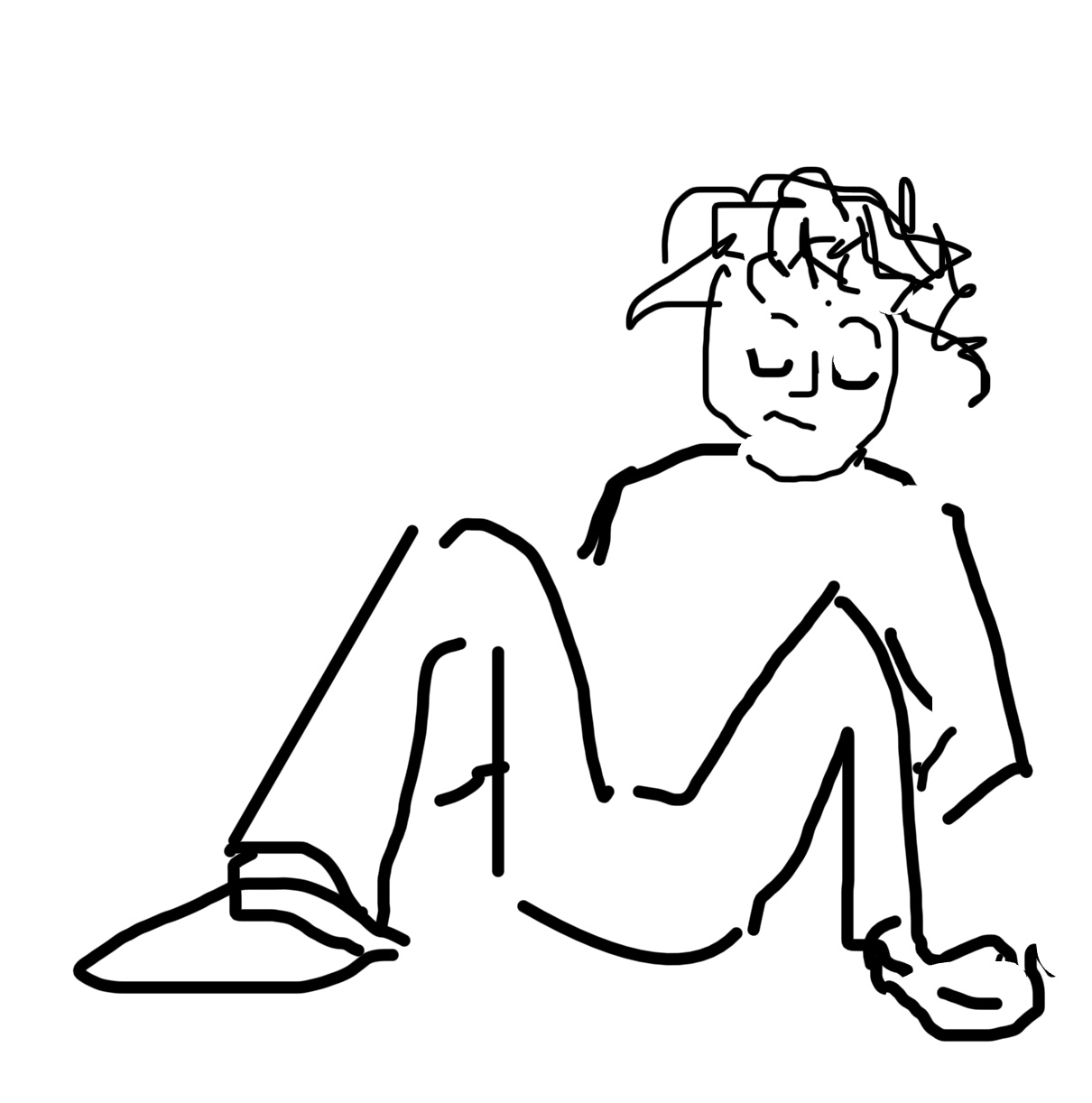
In olden times, the misfits left the village.
They lived in nearby woods or under bridges,
and there turned into wolf-men, trolls, and witches.
In Dickens days, the neighbors no one knew
be-teemed the darksome workhouse — human spillage.
The wretched, always with us, hid from view.
The homeless cabins bloc is fenced and blind,
so passers-by will not see cause to fear.
They won’t see them, and yet may overhear
their tales of losing touch, choosing hell,
starting over, slipping — never mind.
When people pull you down, you might as well…
The child who vowed to run away from home
remembers: “All of you, just leave me alone!”
The Sunken Beetle House
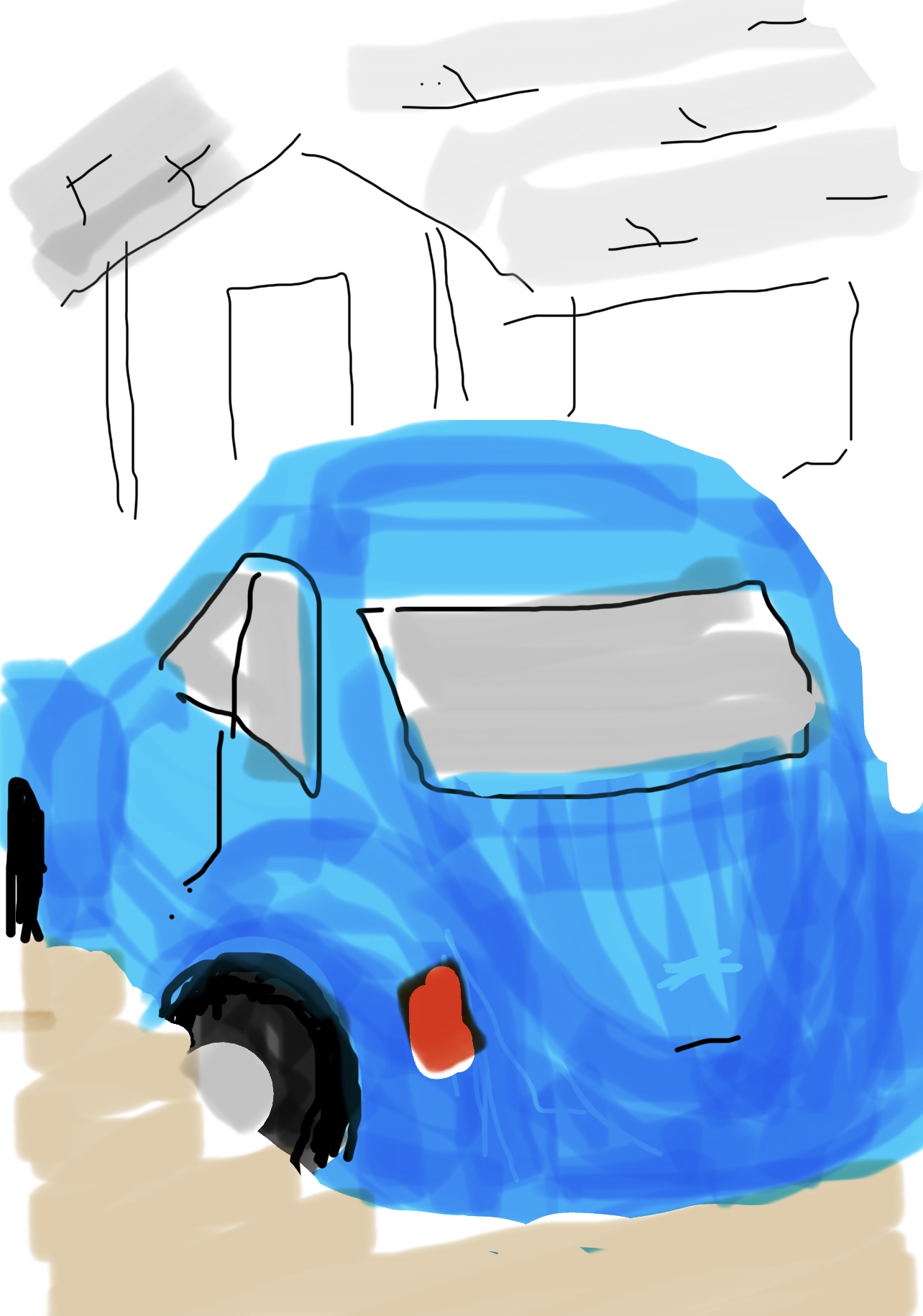
Her windshield struck by lightning, axle-deep
in frayed Bermuda grass, a sixties Bug
salaams a cottage door — bowed by the drug
of time yet dreaming how she might awaken,
might shake off the rusty scales of sleep
to venture one more drive: the road not taken.
Her paint as pale as Royston turquoise, blue
as waterless air in a pitiless western sky,
she whisks uncertain where but knowing why:
the road goes on, its endlessness sublime.
Believing there awaits a something new,
she waddles off the shoulder, starts to climb.
Quiet comes at last to those who seek.
Her moon-like eyes aim west from Telescope Peak.
The Arc de Tree-omphe House
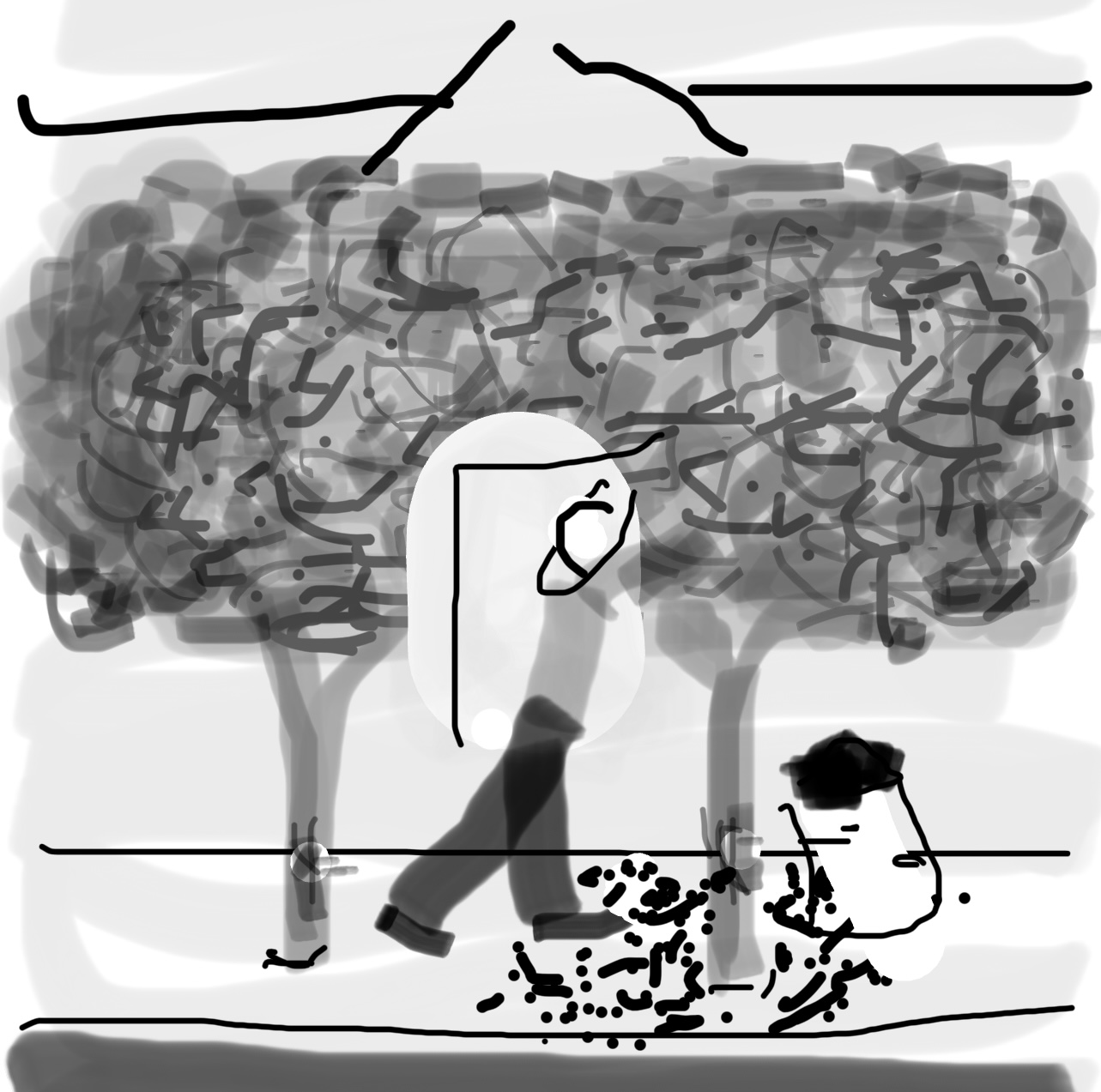
A hedge requires a lot of leaves. How many
per cubic foot? Imagine the energy sent
through every branch, twig, and bud and bent
to veins to green this screen one can’t see through.
Other trees are airy, granting any
bird a landing strip — with a view.
And how many times must caring hands apply
their shaping, trimming touch? Thus limbs embrace
to make of trees an architectural space,
rebuking rampant growth in passionate March.
To keep the art alive, a few must die.
It’s how one builds a topiary arch.
Received tradition, generational rungs —
or just the past imposing on the young?
The Cock Crow House
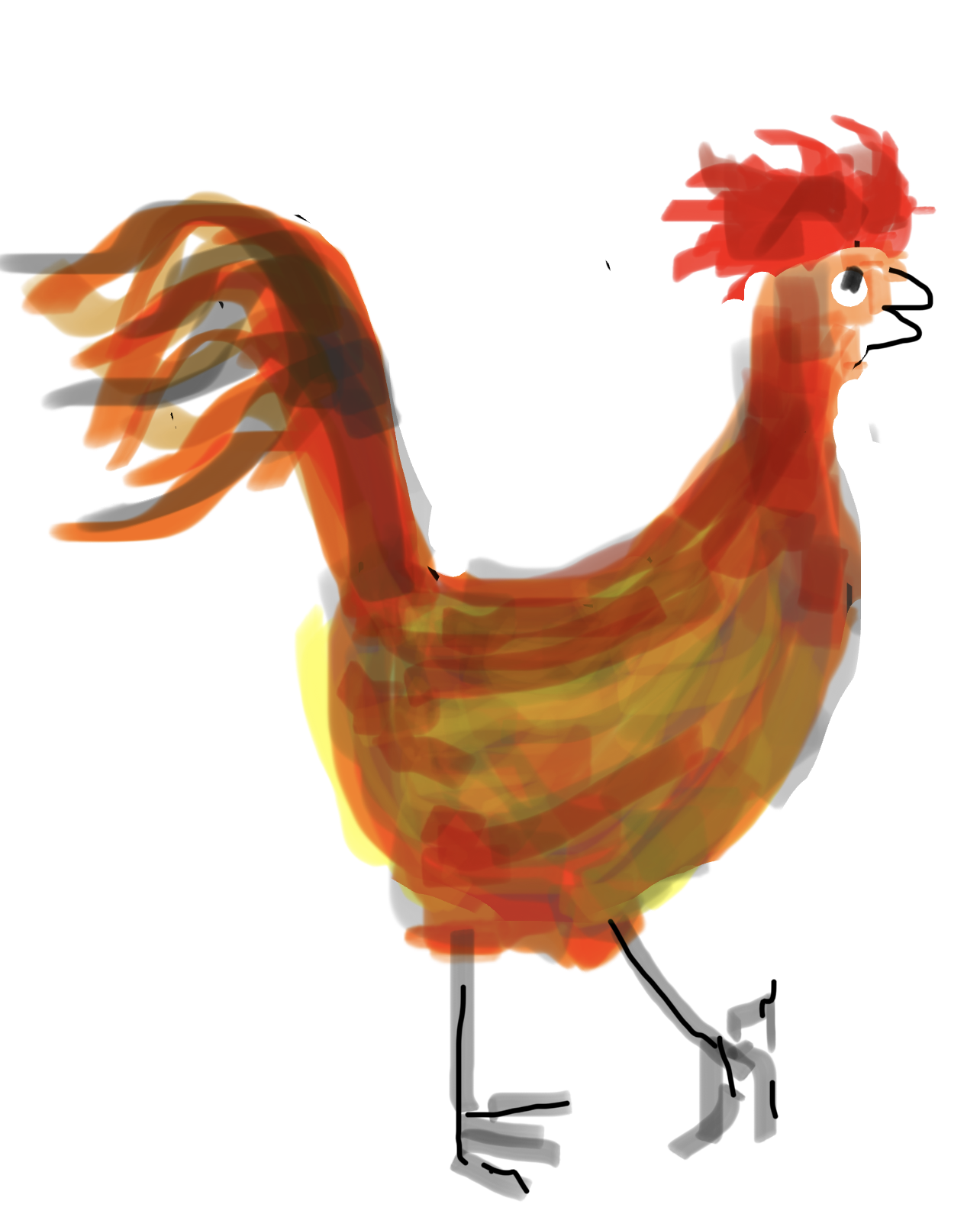
UR, ur-UR, ur-UR. Cock-a-doodle,
do you hear? It’s me! I rule the roost.
I strut my yard. I give the hens a boost.
The bitch next door is barking. Down the lane,
a Dobie answers; farther on, a poodle.
Our fighting dog is silent, taut his chain.
Our parked-up driveway — sons, their wives and sons —
is overhung by barrel-waisted oaks.
A hedge as tall as Spanish horsemen cloaks
the house: its myriad rooms, the yard in back
where chairs are set for evening talk, which runs
to feats of strength and skill, or vengeance black.
My coop’s the constant bustle out of view,
domestic scene the caballeros knew.
The French Normandy House
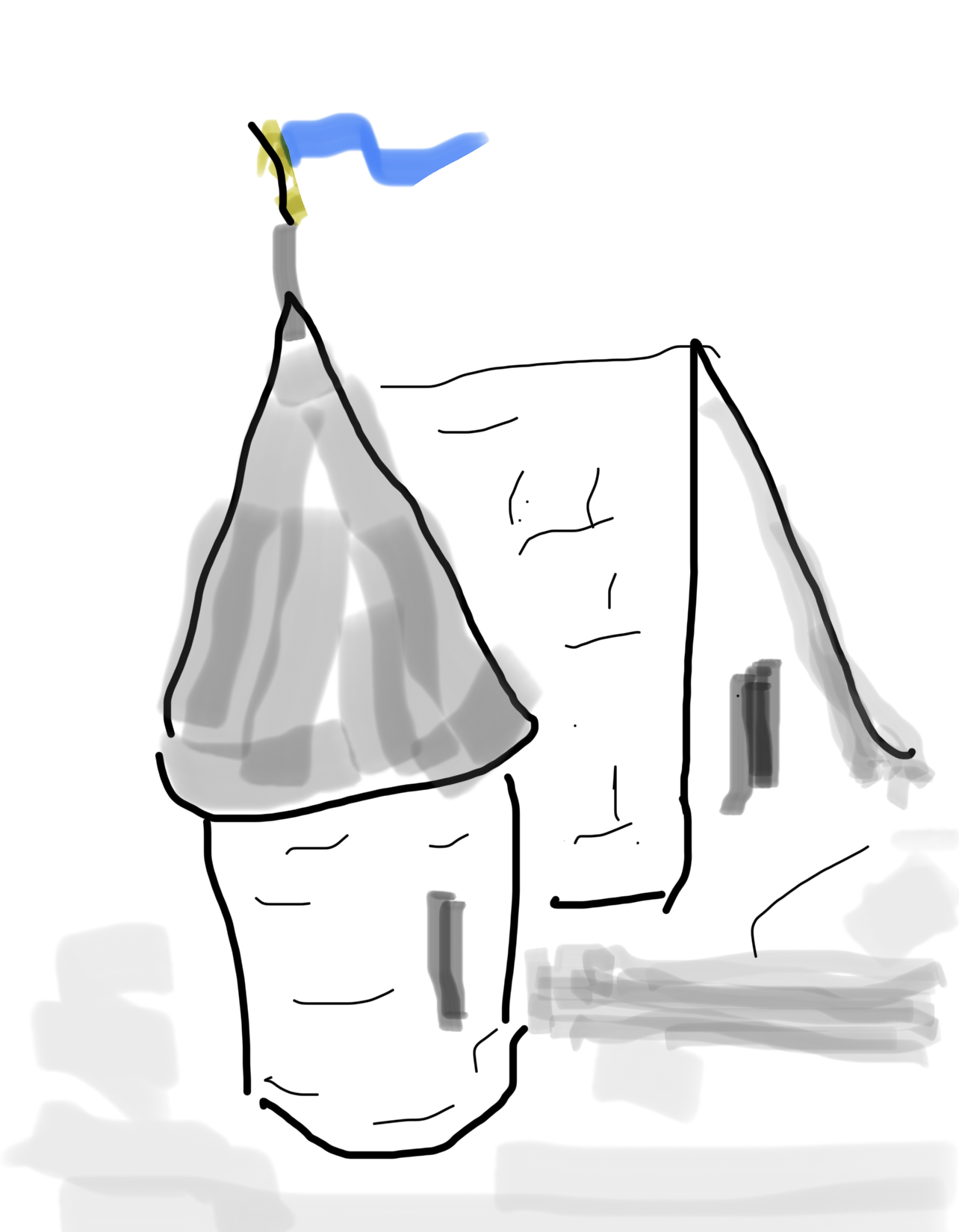
A year before the Crash, the house was cute,
its turret tipped like castles long ago,
its gables steep as seven feet of snow.
An oddball, yes, but quite convenient too:
“There’s shops nearby. And sidewalks now to boot.”
The Twenties roared, “Do what you want to do!”
The good times rolled but landed pretty hard.
Surrounding fields lay vacant, lacking means.
The Thirties lived on beets and lima beans.
The Forties brought the soldiers, broke the gloom —
they neon-lit Reseda Boulevard.
Their babies launched an epic housing boom.
Today the quirky cottage, past its prime:
a refugee from once-upon-a-time.
The Bunkhouse House
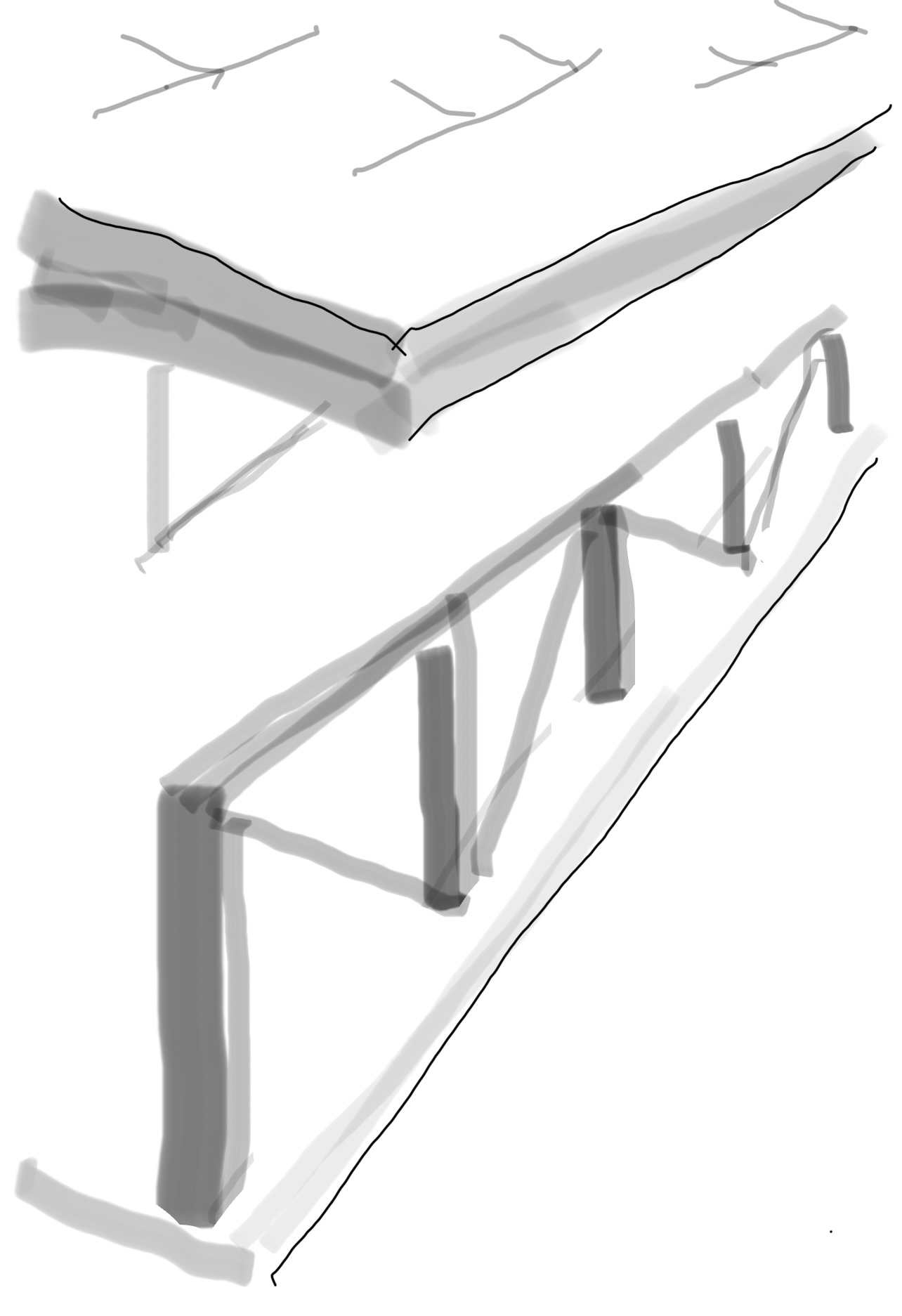
A long rail along a bunkhouse porch,
a perch for cowboy heels when day is done —
except it’s set athwart the midday sun
as if the house had turned its back in spite
against the house next door. The sunburnt scorch
of Okie scorn for beaners: “Outta my sight.”
A house that’s trimmed with wood, a house with tiles,
the roof a slope on one, the other flat,
the Mexican porch a nook where no one sat…
And yet the homes alike as immigrant kind,
pennywise and blind to latest styles,
driven by a life they left behind.
Immigrant hopes the same across the years,
the meals they cooked as varied as their fears.
The Plantation House
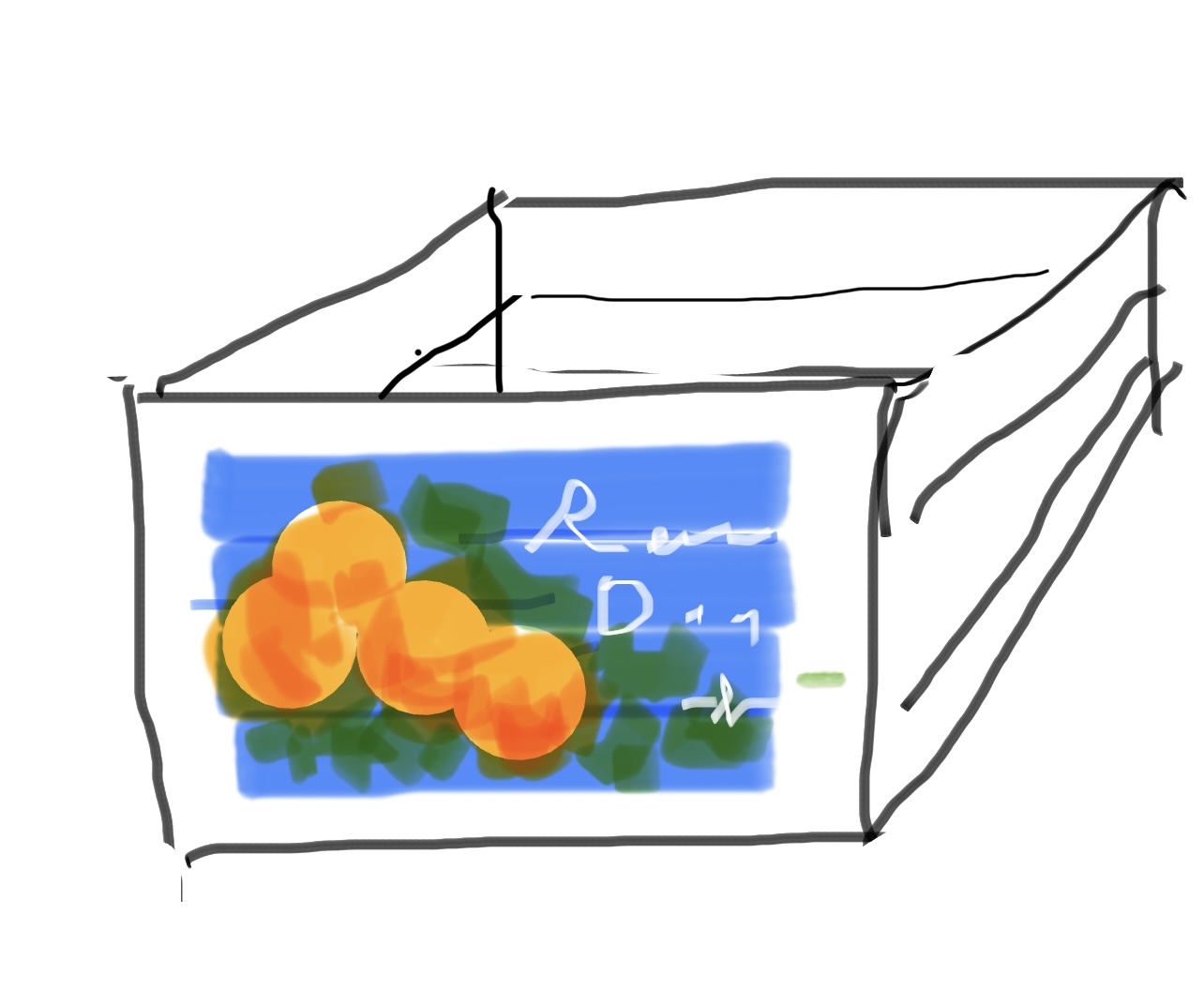
N’Orleans-like, this street of drooping boughs
conceals its set-back houses deep in shade.
I glimpse a second-story balustrade
and think of Southern mansions’ seeming grace,
the many bending backs and sweating brows…
But something in the picture’s out of place.
Inelegant wedges top the balcony posts,
its railing square, not milled for a lady’s hand.
Up there’s a boss’s view of orchard land;
a tenth of a mile away, the railroad tracks.
Up there he’d see the workers, migrant ghosts,
unloading trucks from groves to scales and stacks.
Romantic pictures decked the orange crates,
the packing house recalling grand estates.
The Flying Flags House
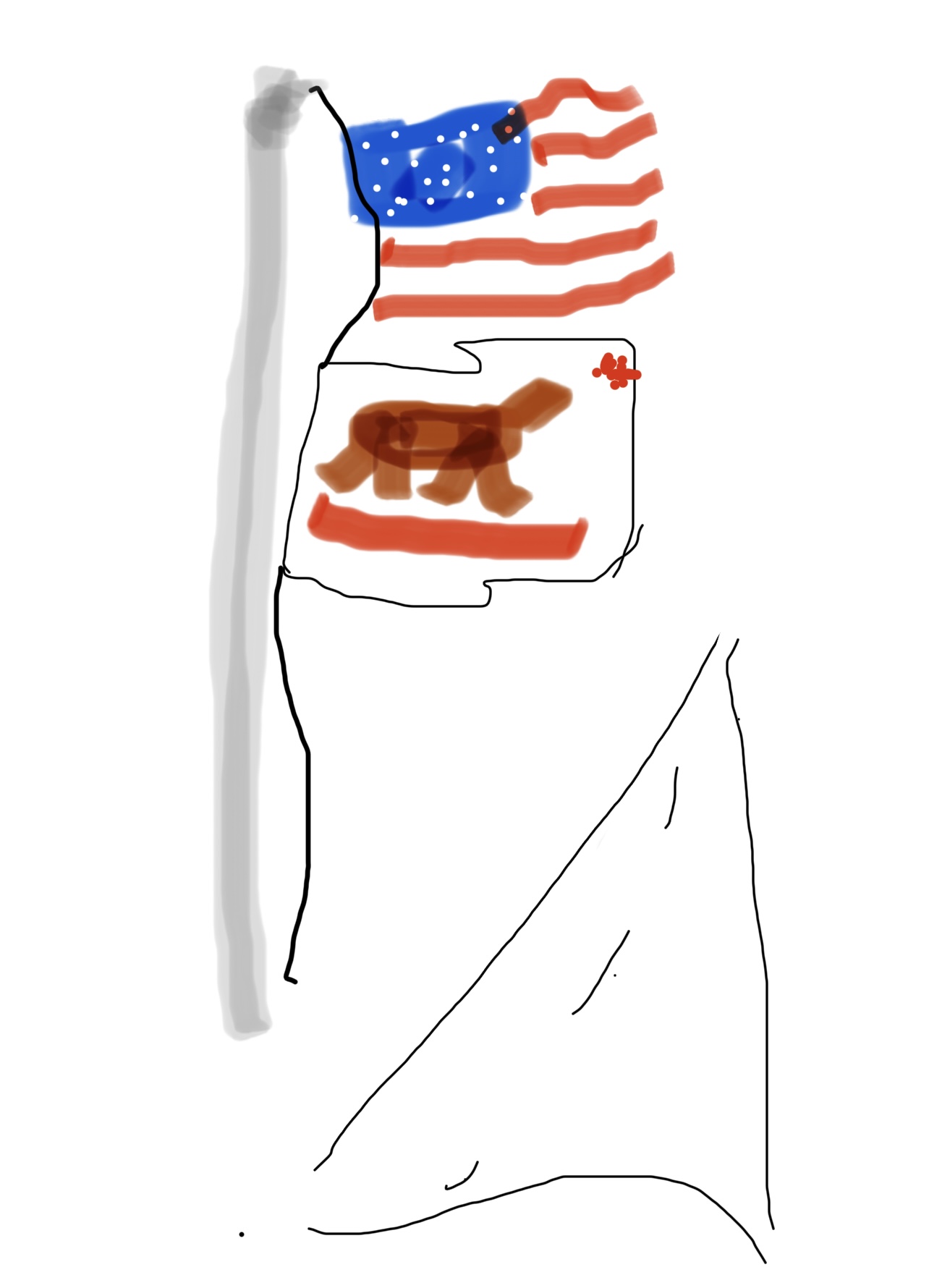
Retired military, says the lawn,
watered once and Toro’d twice a week.
The Stars and Stripes aloft of service speak;
the Bear Flag right below, of love for home.
A woman’s touch, a well to wish upon:
American Dreams fulfilled in Kodachrome.
Across the street, there whoops a rebel yell,
a perma-parking jobber’s truck that’s plastered
with posters screaming, “I’m an angry bastard” —
at Muslims, China, Doctor Fauci-virus,
at rapist caravans with dirty feet
and nightmare eyes all bloodshot ’round the iris.
The sidewalk seems to stagger down the block
between two arc-ing nodes, electro-shock.
The Spooky Spiders House
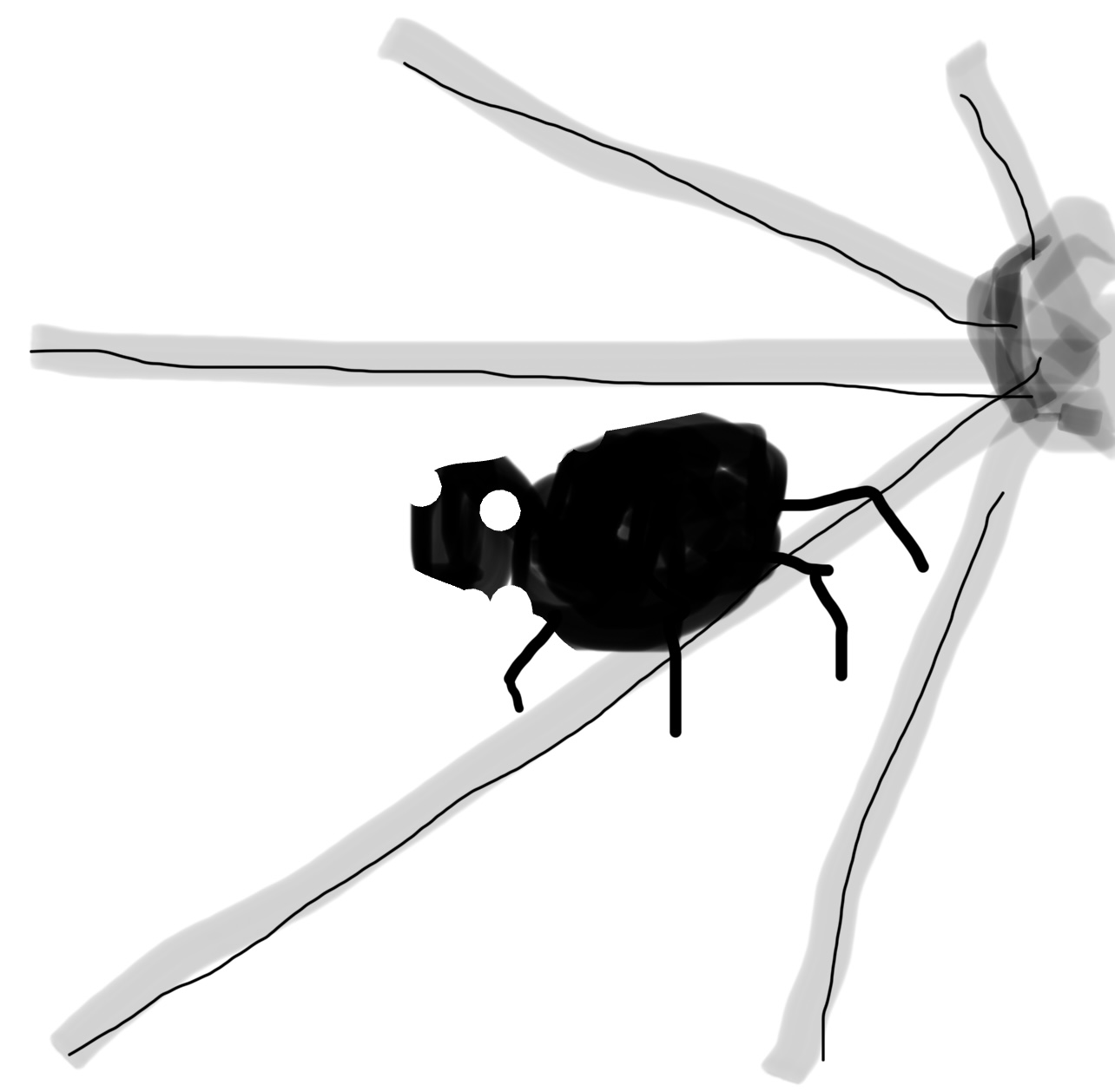
It started out a joke, a little whim.
Instead of the usual spikes, à la Bastille,
we chose a fence with spokes — so, like a wheel
except the wheels were webs with spiders crawling,
their iron legs on tiptoe round the rim:
just a puff of Poe, not too appalling.
Great for Halloween, the neighbors said,
till poisoned-candy scares were TV news.
Their smiles were bland but shifting eyes accused
and scanned for signs of digging overnight.
Their hammers clanging got us out of bed.
One day we woke to spiders painted white
with polka dots. Albino ladybugs.
Our iron fence is different, smiley hugs.
The Yard Meeting House
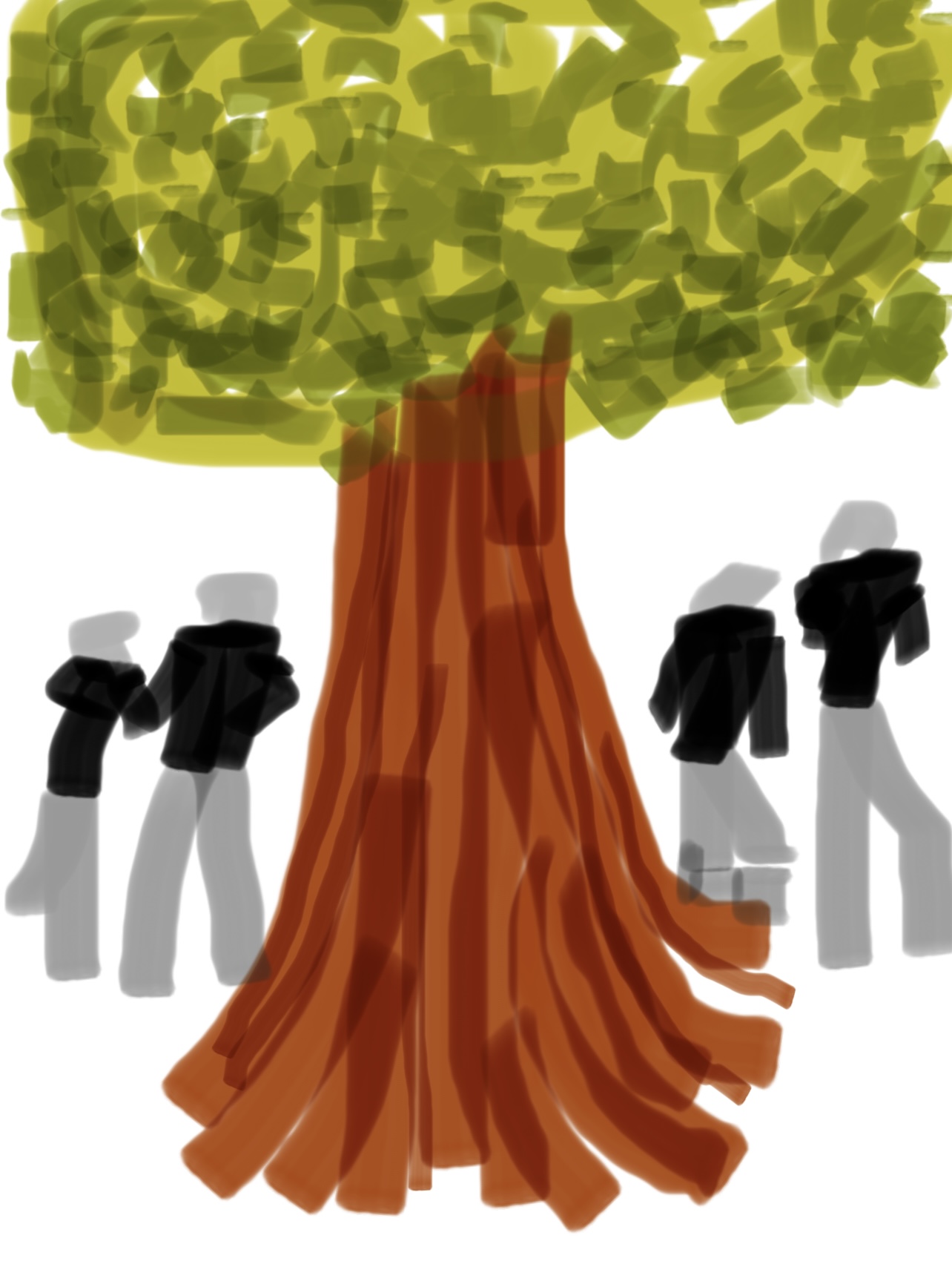
The many-legged jacaranda tree
stands with twenty neighbors who have come
to hear what others say, what must be done.
A few of the older folks say they must sit.
Though drought-resistant shrubs jut spikily,
some folding chairs are found and squeezed to fit.
The splintered evening light in fountain grass
belies the neighbors’ tales of growing dread,
of glimpsing vagrant men, asleep or dead,
beside the mayor’s so-called scenic walk.
How could things have come to such a pass?
Hibiscus eyes are wide with innocent shock.
While humans talk, the greenery’s breathing too,
inhaling air enriched with CO2.
The Dozen Cats House
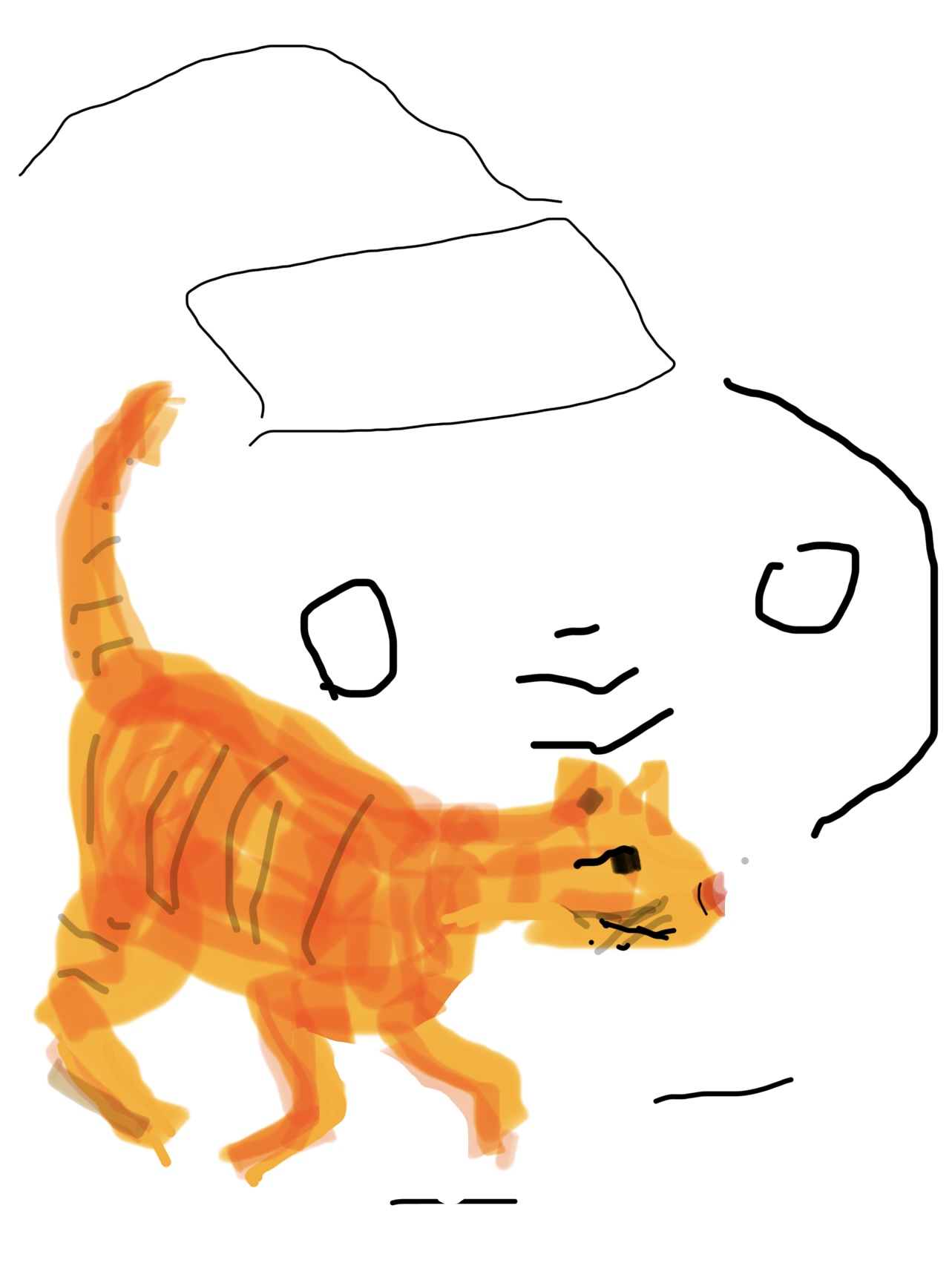
On this remarkable block the cars are slow.
The number of outdoor cats is notably high.
Speeders seeking shortcuts see and sigh:
the street’s a T and traffic’s trudging home,
aware that Mrs. Here Since Long Ago
insists her cats have every right to roam —
especially Tom, the lanky orange lord
and universal sire of his domain,
Magnificat, the Seventh of his Name.
His tawny sons go forth like evening rays.
His wives and daughters lounge and, seeming bored,
examine passers-by with a huntress gaze.
An eco-sociologist might observe,
this blessed block’s a small big-game preserve.
The Elephants House
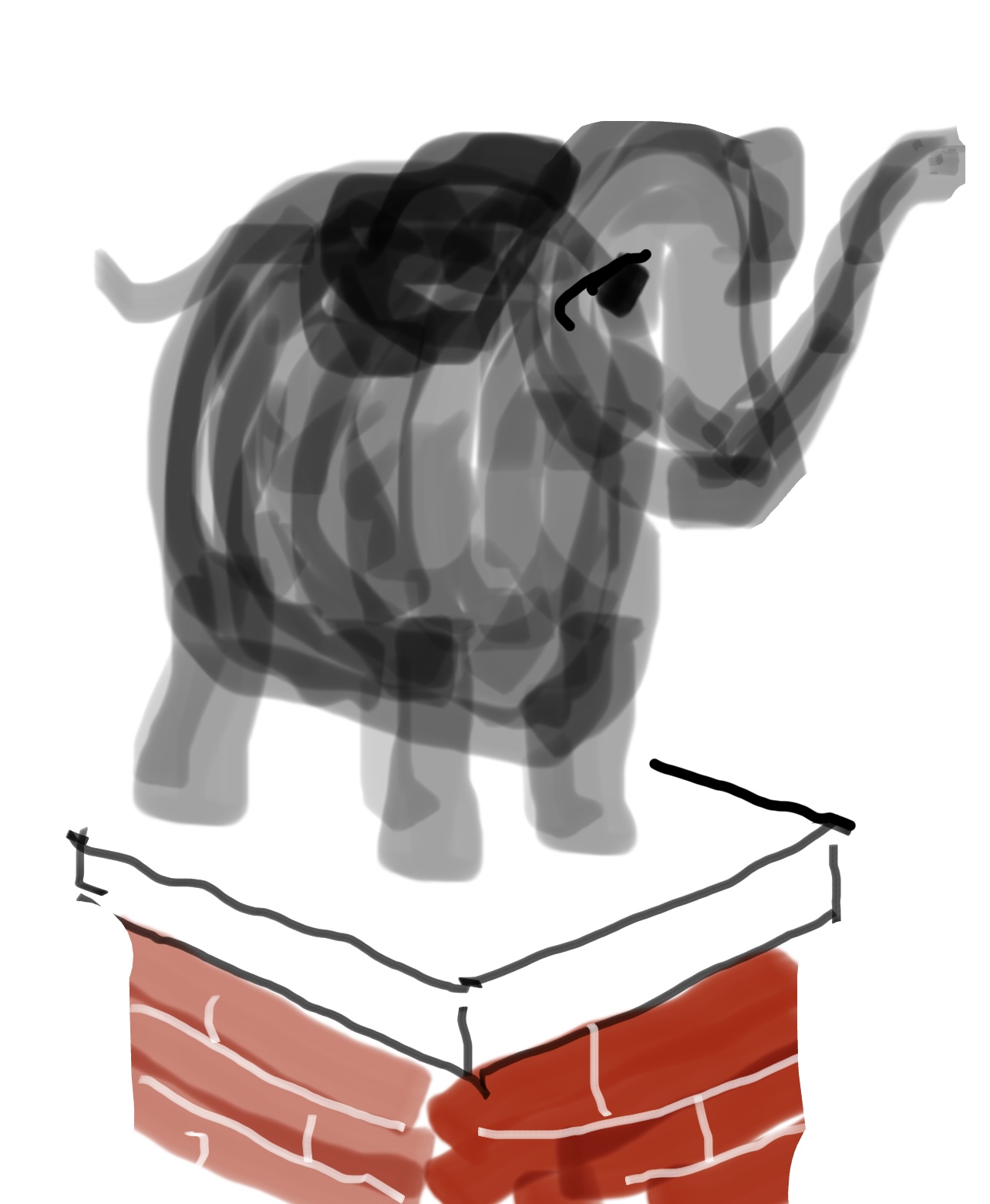
When elephants are marching, step aside.
Their trumpeting trunks may symbolize good luck
but here they come like Mother Nature’s truck.
The trampling route they take is rightly theirs:
acacia thorns are tough but so’s their hide.
They’re elephants, no matter who it scares.
Next door the gatepost totems honor dogs;
others herald lions, sign of kings.
Iron crests may blazon falcon wings,
but elephants on guard for this domain
exalt a matriarch, whose legs are logs
of power, love, and fame, inured to pain.
The girl’s a woman now, and though she cried,
the elephant is strong, her spirit guide.
The Mermaid House
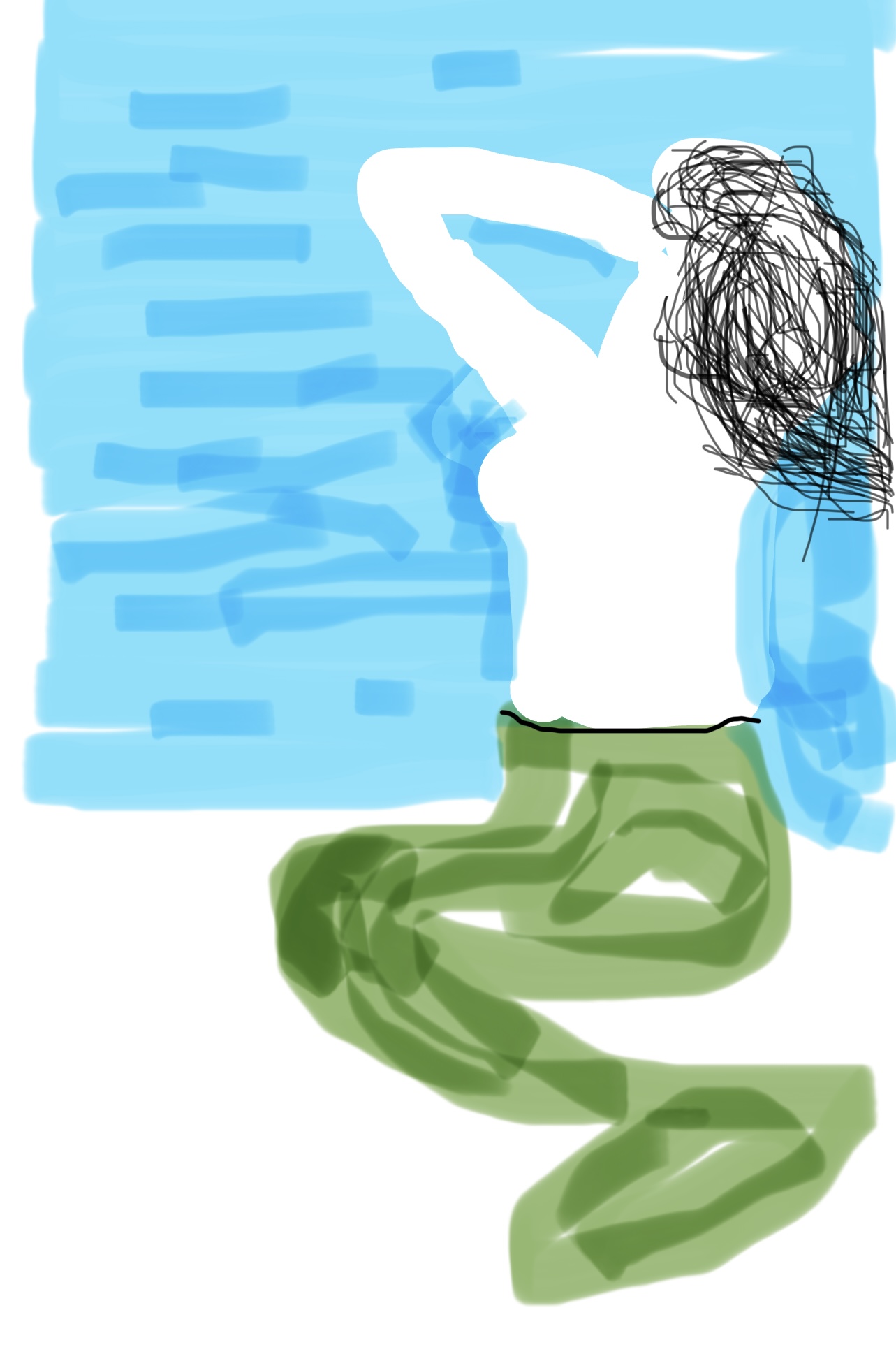
Indifferently her head’s thrown back — her fingers
thrust as if to wash her block of hair.
Her plaster alabaster breasts are bare.
The mermaid paradox, forbidding scales,
doesn’t stop desire. Somehow it lingers,
a fantasy her loveliness entails.
You and I were always just a spree,
a daring pair, what no one would expect,
and yet our tender selves did so connect
my skin remembers how your nearness felt.
We saw the eely river reach the sea
and drained the hundred days that we were dealt.
Now here’s a four-lane river flowing by,
and sailors who once knew a Lorelei.
The Hanging Rock House
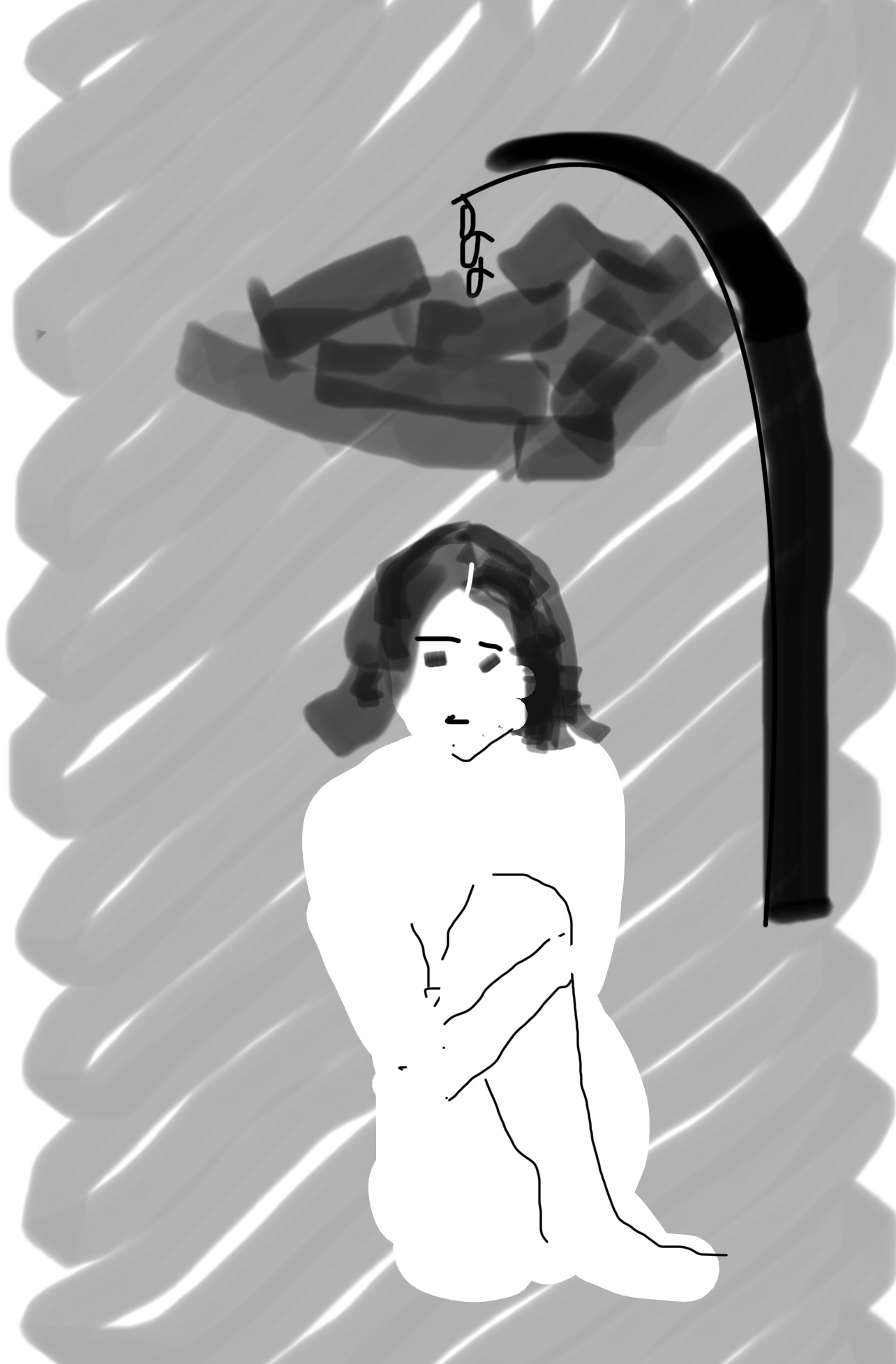
A thousand pounds of cloud over my head:
I can’t look left or right, much less above.
The ever-pressing question you call love
has lit up every eye with expectation.
I’ll have no life until my legs are spread
for the warm stab of your admiration.
Suppose I take off all my clothes right now.
I’ll go and sit where anyone can see
the beauty underneath, your dream of me,
an angel with a secret box of fun,
a bag of mother organs, like a cow,
while all this time I thought I might be … someone.
She’s there, the naked lady down the block,
uneasy in her pose beneath the rock.
The King Palms House
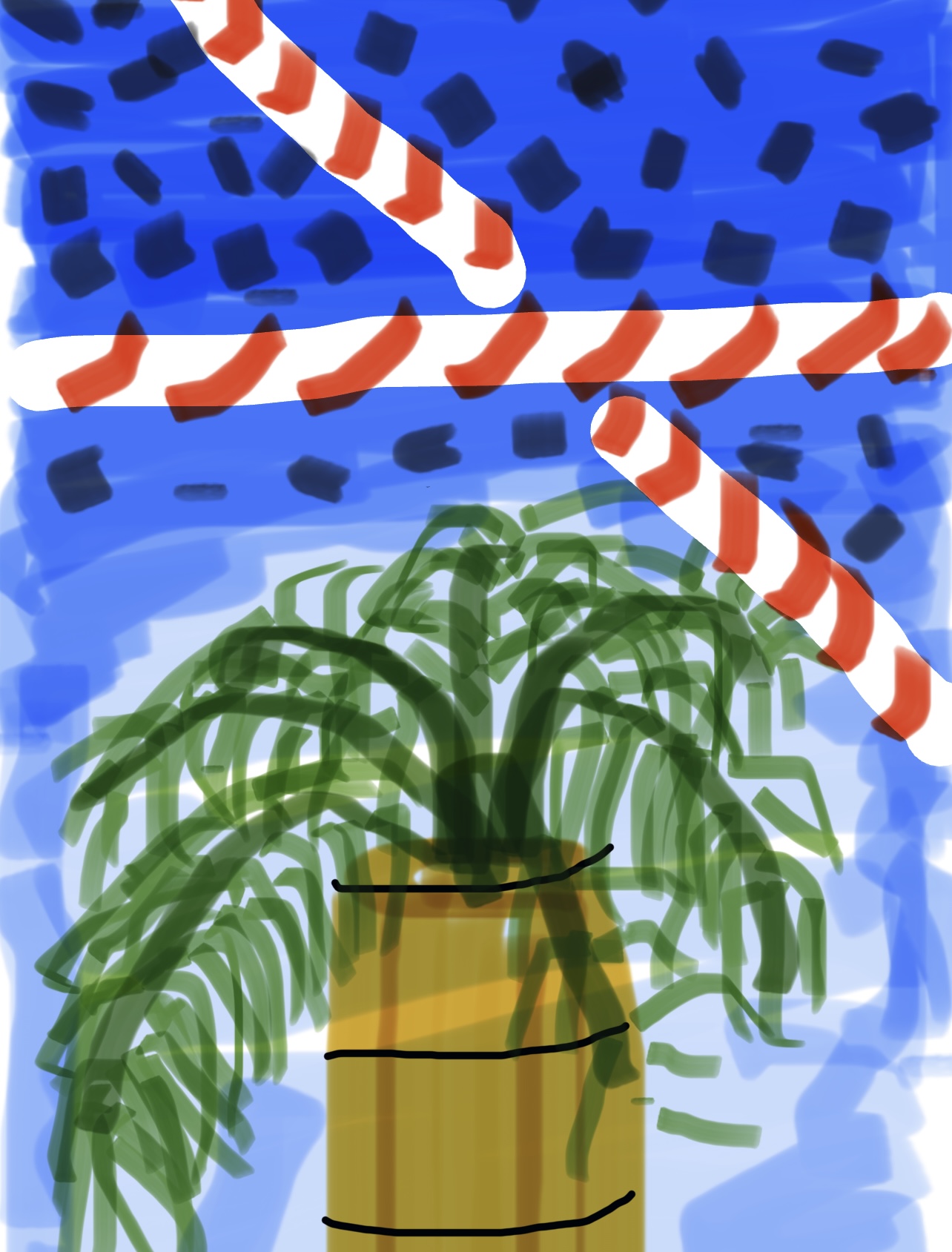
Electric candles spiral up the trunks
of four kings, not three, on Christmas eve.
Sydneysiders once, they make believe
they’re bough-y firs at home in northern cold,
where sprites are shopping, cooking, getting drunk,
to cheer the tottering year now grown so old.
Atop their crowns the view is chasing lights,
like peppermint canes entwining white and red.
The boulevards trimmed by cars are also spread
with thumpin’ holiday music, windows down.
The sonic globes shake up the silent night
till star-drilled midnight stills the weary town.
“Come back!” the world implores its wayward sun.
May God please bless us all, every one.
 Karl Stull - Creative