
Truth – Beauty – Friendship – Citizenship – Health
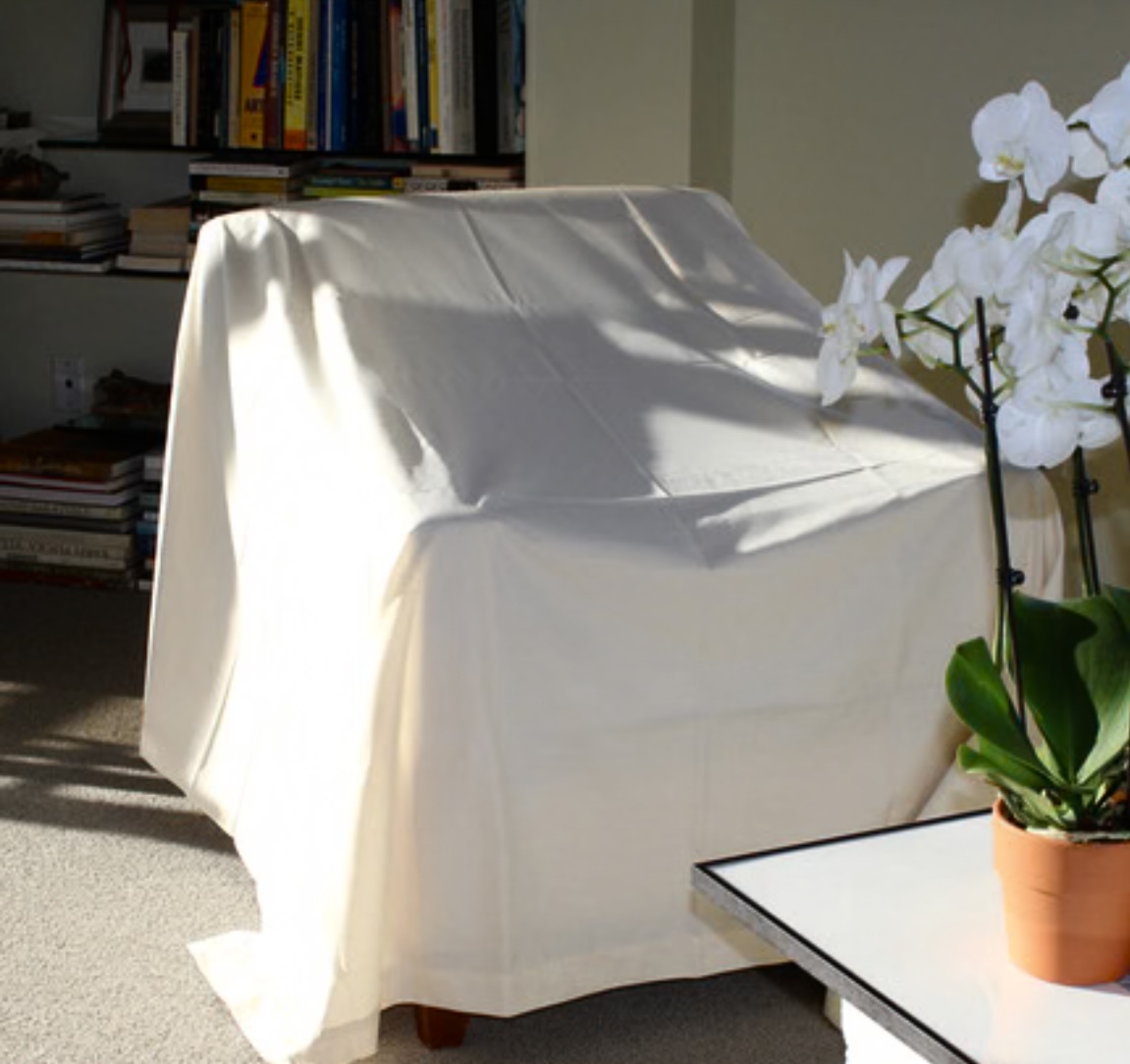
Truth is the structure of things under the tablecloth of perception.
• We may not see truth itself, but we can come to an understanding of it — by patient observation. The five blind men have it in them to describe an elephant accurately (though not completely).

Beauty is delight in the way a daisy is organized, or disorganized.
• Beauty is important — despite being 100% subjective — because it is a universal experience.
• Beauty affirms: life is not only worth living (about me), it is worth witnessing (a whole world out there).
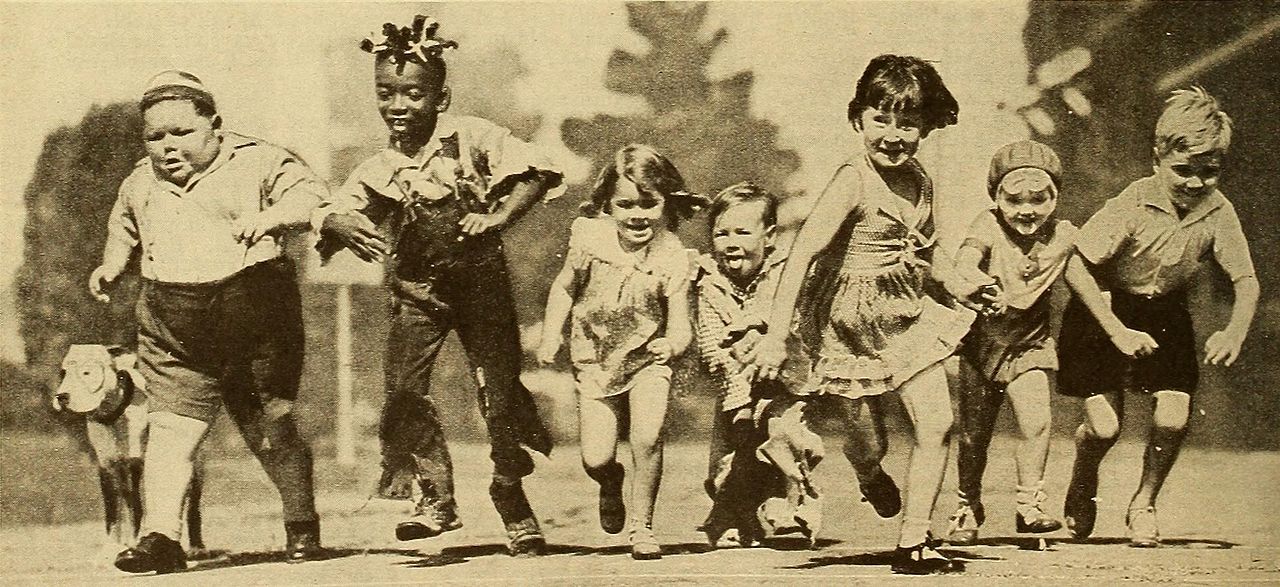
Friendship is a “you” as meaningful as the “me.”
• At age 7 or so, children begin to understand their parents are not 100% reliable. Friends help us gain confidence in our own experience and judgment. They also show us that the lives and feelings of others are real.
• Knowing that pain and happiness in others are real gives us an ethical basis for choices we will make as parents, citizens, and office-holders and as human beings.
Citizenship is duty you owe your community, for making your way of life possible.
• Every first-grader understands “no fair.” Justice is the first abstract principle we human beings grasp — and our first step toward philosophy.
• Socrates drank hemlock, accepting the verdict of a lawful jury. His reasoning was: he received the benefits of being an Athenian citizen — security, freedoms, access to knowledge, a downtown market overflowing with goods from around the world, a life of possibilities only a civilized country could offer. It was fair to expect in return that he would submit to Athenian laws.
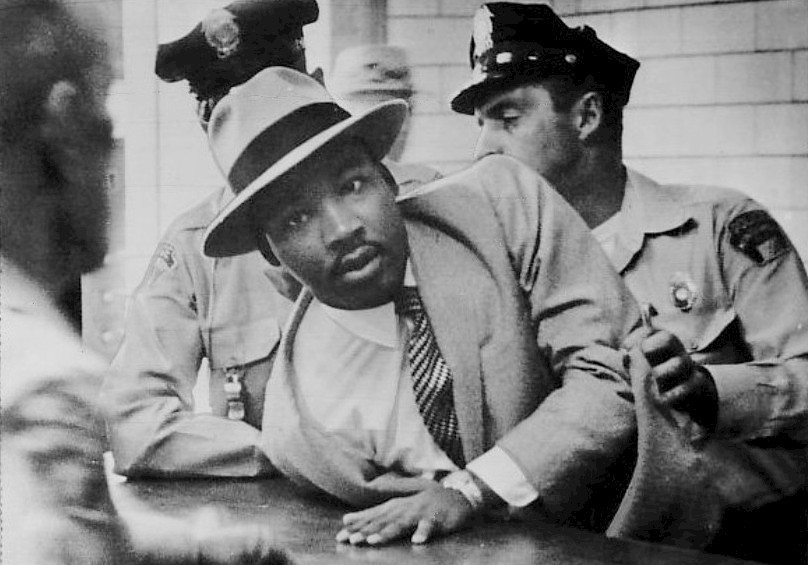
• When we see injustice in our laws, we have a duty to speak up and take action — and face the legal consequences openly, as Martin Luther King did. Laws get their authority from public confidence that justice will be served.
Health is care and nourishment to support a good life.
• Philosophers ask, what is “good”?
• Good is a life based on truth, beauty, friendship, citizenship, and health — in that order.
 Karl Stull - Creative


